
Key takeaways
What homeowners should know
- Safety and mitigation come first, but every emergency action should be documented.
- Incomplete evidence, missed deadlines, and unsupported statements can create avoidable claim disputes.
- Review the scope and payment calculation before signing releases or closing the claim.
- Correct mistakes with accurate records and focused communication—never by changing facts.
Small claim-handling mistakes can create large consequences
Most homeowners handle very few property claims, often while managing repairs, displacement, family needs, or business interruptions. It is easy to overlook a photograph, deadline, receipt, or request that later becomes important.
The goal is not perfection. It is to protect safety, preserve the facts, meet policy duties, and correct gaps before the record becomes difficult to reconstruct. These ten mistakes are common—and often preventable.
1. Cleaning up before documenting the damage
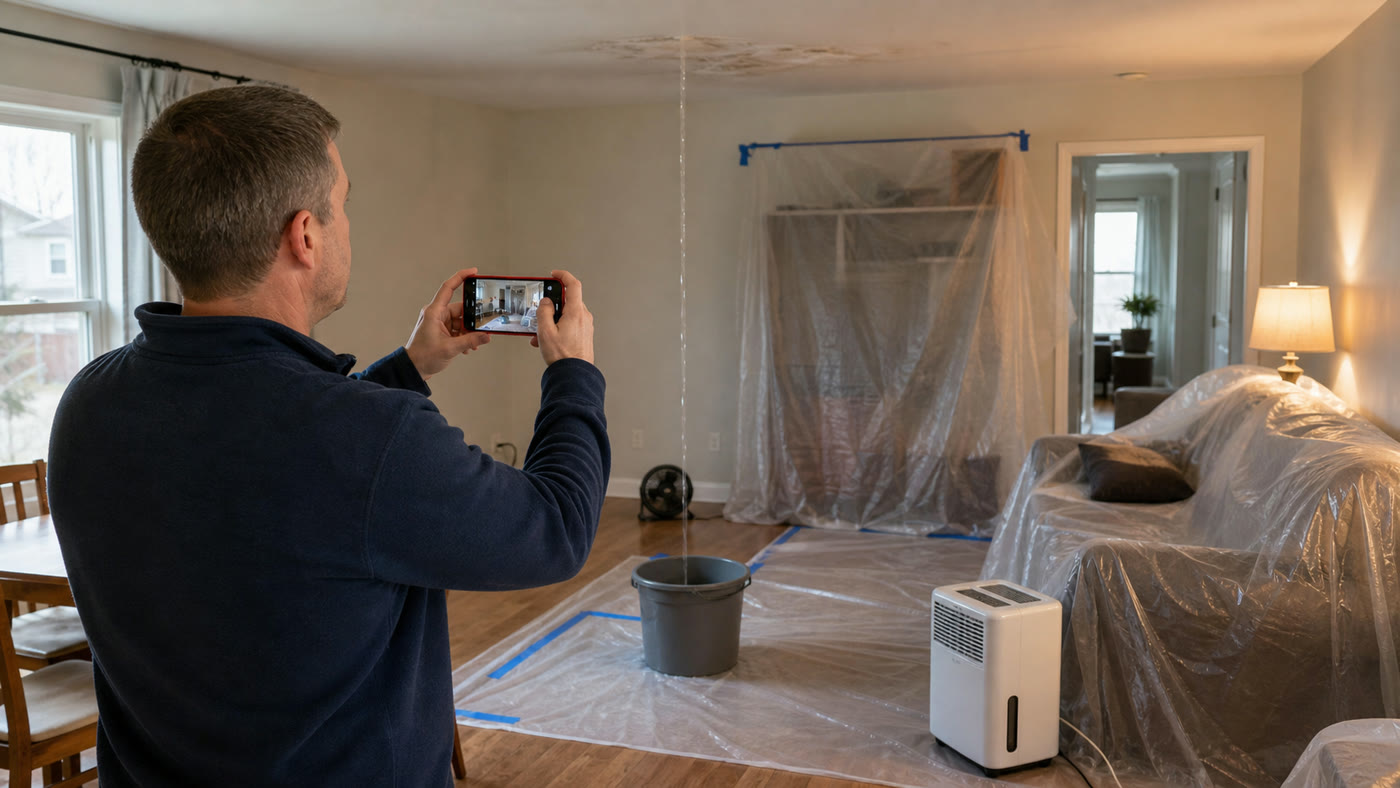
Removing debris, drying rooms, or discarding damaged materials before creating photographs can erase evidence of the source, extent, and condition of the loss. When safe, capture wide, medium, and close views before moving items or beginning demolition.
If emergency conditions require immediate action, prioritize safety and document as the work proceeds. Ask mitigation contractors to preserve photographs, moisture readings, daily logs, and records of removed materials.
2. Failing to prevent additional damage
Ignoring an active opening, leak, broken window, or wet materials can allow a manageable loss to become much larger. Policies commonly require reasonable mitigation, and the carrier may dispute damage that developed after the original event.
Use qualified emergency help, keep receipts, and distinguish temporary protection from permanent repair. Photograph the condition before and after each mitigation step.
3. Reporting guesses as facts
Homeowners are often asked what caused the damage, how old a component is, or exactly when a hidden condition began. A confident guess can later conflict with inspection findings or records.
State what you observed, distinguish estimates from known facts, and correct genuine errors promptly in writing. Do not change accurate information simply because someone suggests a different answer would improve the claim.
4. Missing notice, document, or repair deadlines
Policies can include time-sensitive duties for reporting, proof of loss, inventories, replacement-cost claims, repairs, appraisal, or legal action. Deadlines may appear in the policy, endorsements, or carrier correspondence.
Create a calendar and timeline at the beginning of the claim. If a deadline has passed or is unclear, request written clarification and seek qualified legal advice when necessary.

5. Depending on one type of evidence
Photographs are important, but they may not establish dimensions, moisture levels, material type, cause, repairability, or price. A strong file can combine photographs, videos, measurements, weather records, qualified findings, inventories, receipts, estimates, and correspondence.
Each document should answer a specific question. Avoid overwhelming the file with duplicates that do not explain what they show.
6. Accepting an estimate without checking the scope
Homeowners often compare only the payment total. The more useful question is whether the estimate includes every affected area and every operation required for a reasonable repair.
Check rooms, roof slopes, exterior elevations, quantities, materials, access, detach-and-reset items, debris, protection, permits, and code-related work. A missing scope item cannot be corrected by debating only the final number.
7. Making permanent repairs too early
Permanent work can conceal the cause and extent of damage before the carrier or another qualified professional inspects it. Except for urgent safety and mitigation needs, coordinate inspection and documentation before rebuilding.
When repair cannot wait, create detailed photographs, keep samples when practical, save invoices, and ask the contractor to document concealed conditions discovered during work.
8. Letting important communication remain verbal
Phone calls are useful, but memory fades and claim representatives can change. Confirm important requests, decisions, inspection agreements, and promised follow-ups in writing.
Keep messages professional and focused. Identify the claim issue, supporting fact, attached evidence, and specific response requested.
9. Signing a release or contract without understanding it
A repair authorization, assignment, public adjusting agreement, proof of loss, or settlement release can create significant obligations. Read the entire document, ask questions, and keep a signed copy.
Do not sign blank forms or rely on verbal explanations that conflict with the document. Obtain legal advice when you do not understand the effect of a release or assignment.
10. Waiting until the end to ask for help
When a claim becomes complex, months of unorganized records can make review slower and more difficult. Consider qualified help when the loss affects several systems, the carrier estimate differs substantially from repair information, communication stalls, or a denial raises technical questions.
A public adjuster can assist with property inspection, documentation, estimating, and claim presentation. Attorneys address legal rights and disputes. Contractors and specialists provide repair and technical expertise. Choose the professional that fits the problem.
How to correct a claim mistake
Do not hide the gap or manufacture evidence. Reconstruct the timeline using photographs, invoices, messages, weather records, and contractor files. Explain corrections accurately and provide focused supporting information.
A transparent, organized correction is more credible than a perfect-looking record assembled from guesses. The sooner the file is reviewed, the more options may remain.
This article provides general information and is not legal advice, coverage advice, or a guarantee of any claim outcome. Policy language and loss facts control each claim.