You cannot quickly find the latest carrier estimate or decision letter.
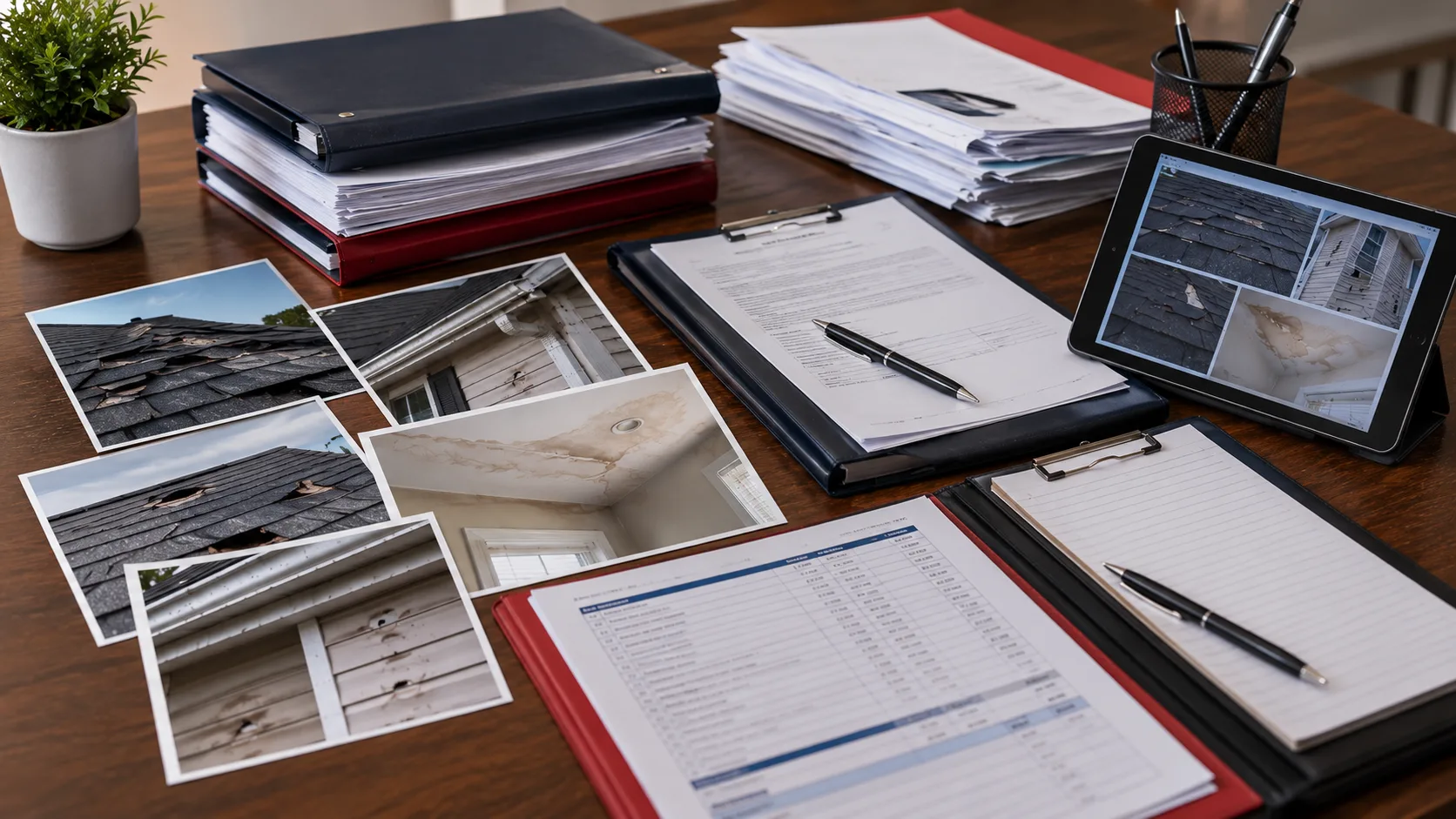
From scattered to structured
Organized claim evidence
Turn scattered damage information into a clearer claim record.
We help organize photos, measurements, estimates, correspondence, and supporting details around the reported property loss.
CollectPhotos, records, estimates
ConnectDamage to location and scope
ClarifyWhat remains unanswered
Start your review
The claim file
Every photo and estimate should answer a question.
Documentation is not a pile of files. It is a sequence: what happened, what was observed, where it was observed, what work followed, and which parts of the claim remain open.
Property owners often have photos on multiple phones, contractor estimates in email, handwritten notes, and carrier documents spread across different systems.
Claim documentation brings those details into a consistent structure so damage, repair scope, and open questions are easier to review.
01
Recognize the situation
Important claim evidence loses value when it is scattered or incomplete.
Photos on several phones, estimates in email, mitigation invoices, handwritten notes, and carrier letters can tell different pieces of the same story. If they are not connected, key damage and costs may be difficult to evaluate.
Photos do not identify the room, elevation, or date they represent.
Contractor estimates use a different scope than the insurance estimate.
Receipts, mitigation records, or temporary repair costs have not been organized.
03
The American Adjusters approach
Turn disconnected files into a claim record that is easier to follow.
American Adjusters organizes available photographs, measurements, estimates, invoices, reports, and correspondence around the reported loss. The goal is a consistent record that shows what happened, what was observed, and which questions remain open.
Talk Through Your Claim02
What matters in this claim
The carrier can only evaluate what the claim clearly presents.
01
Damage photographs
Labeled images connected to affected locations.
02
Measurements and scope
Property details organized around repair areas.
03
Estimates and records
Available pricing, invoices, receipts, and reports.
04
Carrier correspondence
Important letters, emails, and claim decisions kept together.
What changes for the policyholder
From reacting to the claim to understanding the claim.
Fewer missing pieces
Available records are reviewed together so obvious documentation gaps can be identified.
Consistent scope
Damage locations and repair areas are described in a more structured, comparable format.
Easier communication
A clearer file helps owners, contractors, and claim professionals discuss the same information.
Your next four moves
A process you can see from the start.
No mystery handoffs. Each stage has a purpose, an output, and a clear connection to the stage that follows.
- 01
Listen and review
We learn what happened, where the claim stands, and which questions matter most to you.
- 02
Inspect and organize
Accessible property conditions and available claim records are brought into one structured picture.
- 03
Present and communicate
The documented loss is explained consistently through the appropriate claim communication.
- 04
Track the next steps
Open items, responses, and important decisions remain easier for the policyholder to follow.
04
Make the claim feel manageable again
Let’s bring order to the claim file.
Tell us which records you have, what the carrier has requested, and where the claim feels incomplete. We will review the situation and discuss the most useful documentation next.
No-cost initial reviewNo obligation to hire usYour request reaches the claim review team
01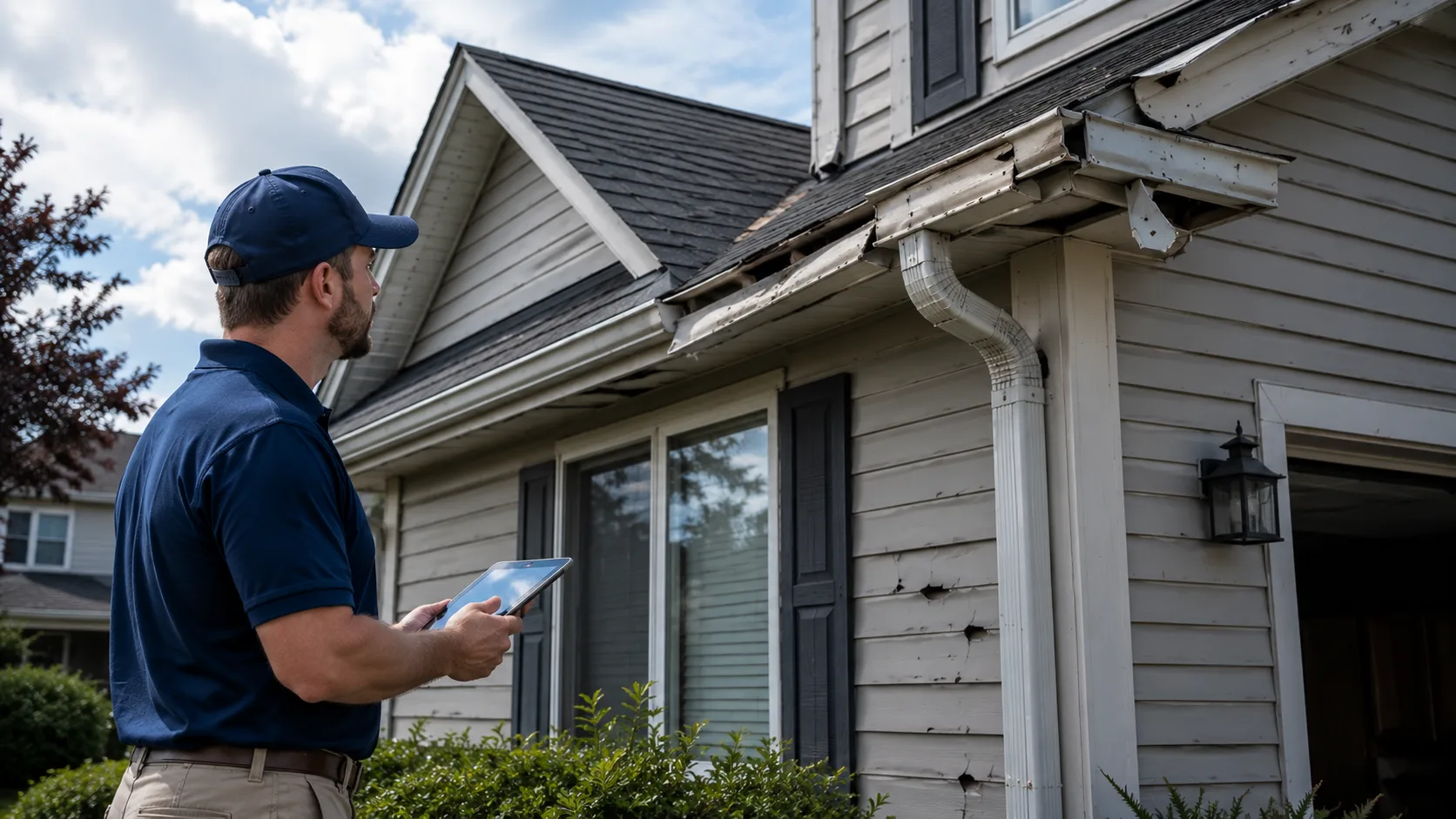 0203
0203
Property Damage Inspections
Our inspections help identify roof, exterior, interior, and commercial property damage connected with a reported loss.
Claim Documentation
We help organize photos, measurements, estimates, correspondence, and supporting details around the reported property loss.
Claim Negotiation
American Adjusters communicates with the insurance carrier on behalf of the policyholder throughout the claim review.