Shingles or siding moved, lifted, folded, cracked, or disappeared after high winds.
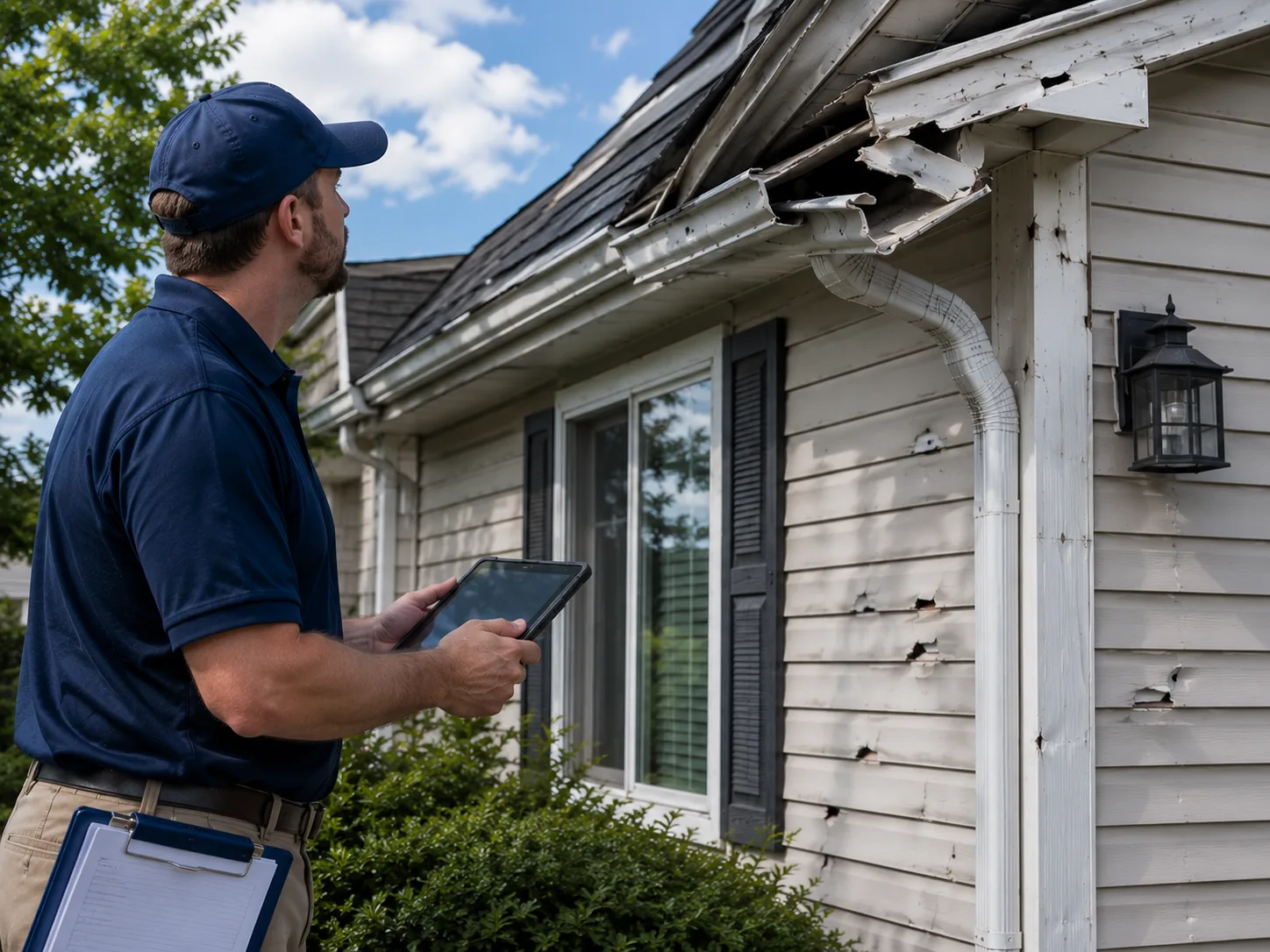
Lifted. Creased. Displaced.
Wind loss claim support
Document wind damage across the property exterior.
We help identify and organize visible wind-related damage to roofing, siding, gutters, and exterior property systems.
Look forMovement and broken seals
FollowSlope-to-elevation patterns
IncludeDebris and water entry
Start your review01
Recognize the situation
Wind damage can hide in lifted, loosened, or displaced materials.
A material does not need to be completely missing to create a concern. Creases, broken seals, loose panels, edge damage, and debris impact can appear across different slopes and elevations.
Branches or wind-driven objects struck the roof or exterior.
A new leak or draft appeared even though the exterior damage looks minor.
The initial scope covers isolated pieces but not connected materials or access.
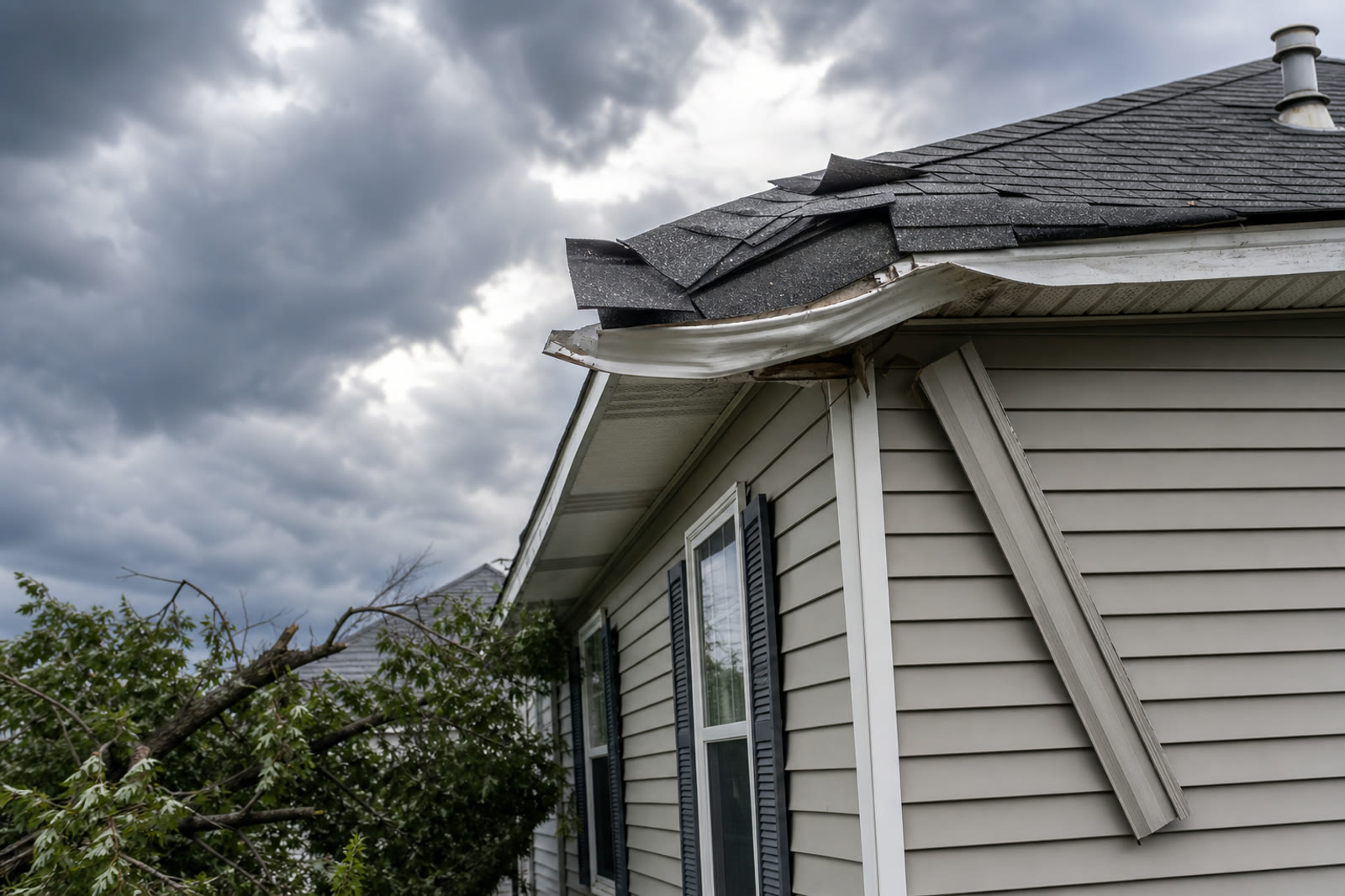
Follow the wind path
Movement is evidence—even when the material is still attached.
Wind can break seals, crease shingles, loosen siding, bend edges, and drive debris into the building envelope. The path across slopes and elevations often matters more than a single missing piece.
Lifted, creased, missing, or displaced materials may appear on different slopes and elevations after a wind event.
A coordinated inspection helps connect those observations with photographs, measurements, weather information, and the reported claim.
03
The American Adjusters approach
Trace visible wind effects across the building envelope.
American Adjusters reviews accessible roof coverings, siding, gutters, trim, and related impact areas. We organize the observations so isolated signs can be understood within the larger reported wind event.
Talk Through Your Claim02
What matters in this claim
Wind can affect multiple elevations and roof areas.
01
Roof coverings
Missing, lifted, creased, or displaced materials.
02
Siding
Loose, cracked, detached, or impact-damaged panels.
03
Gutters and trim
Damage to attached exterior components.
04
Falling debris
Related impact from branches or other wind-driven objects.
Your next four moves
A process you can see from the start.
No mystery handoffs. Each stage has a purpose, an output, and a clear connection to the stage that follows.
- 01
Listen and review
We learn what happened, where the claim stands, and which questions matter most to you.
- 02
Inspect and organize
Accessible property conditions and available claim records are brought into one structured picture.
- 03
Present and communicate
The documented loss is explained consistently through the appropriate claim communication.
- 04
Track the next steps
Open items, responses, and important decisions remain easier for the policyholder to follow.
What changes for the policyholder
From reacting to the claim to understanding the claim.
Slope-to-elevation review
Roof areas and exterior sides are checked for patterns of movement and displacement.
Related impact considered
Falling branches, debris, and connected water entry are included in the property picture.
Documented repair questions
The existing claim scope can be reviewed against visible materials and affected locations.
04
Make the claim feel manageable again
Talk with us about the wind damage you noticed.
Share when the wind event occurred, what changed at the property, and the current claim status. We will follow up about the next practical step.
No-cost initial reviewNo obligation to hire usYour request reaches the claim review team
01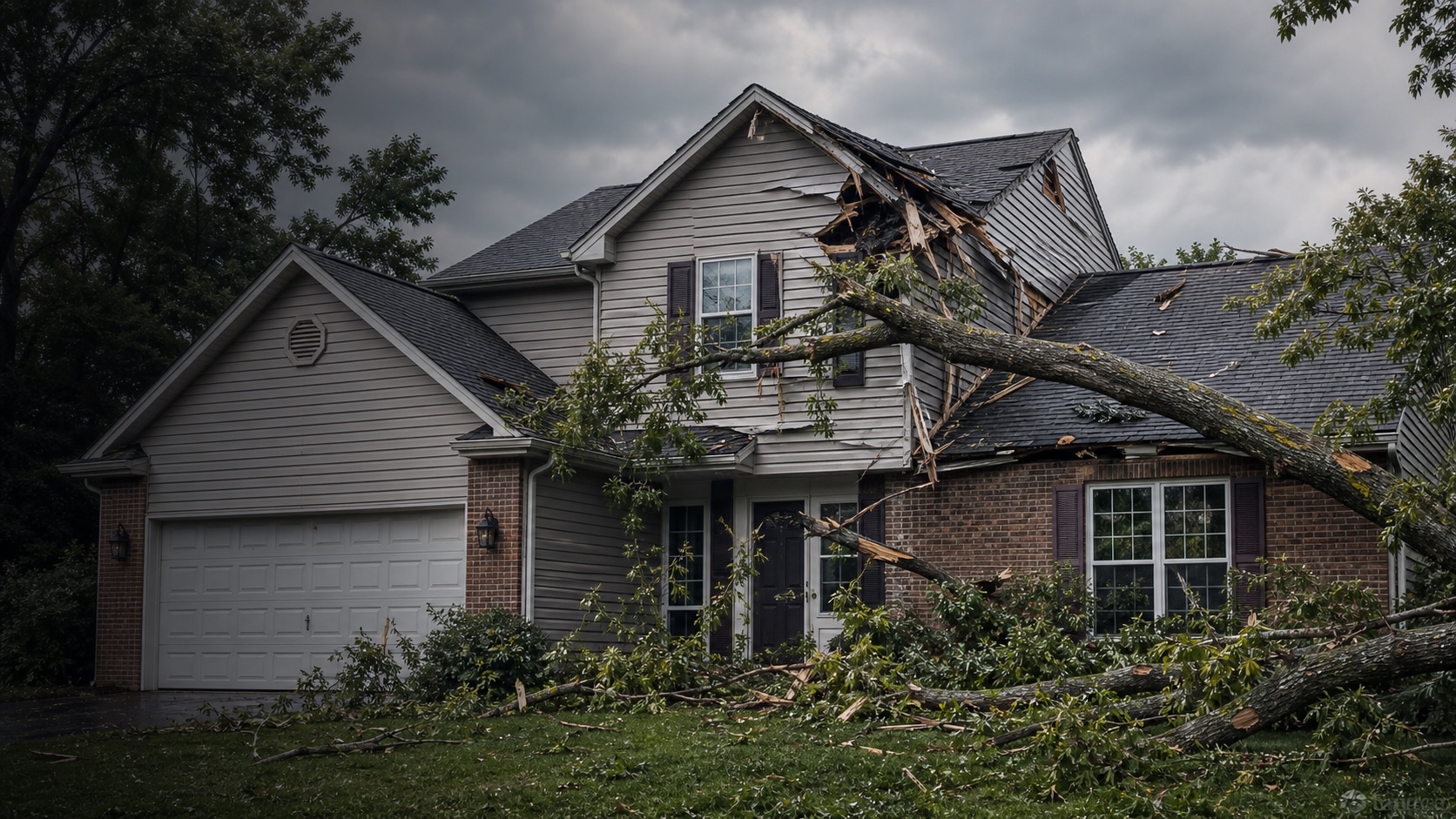 02
02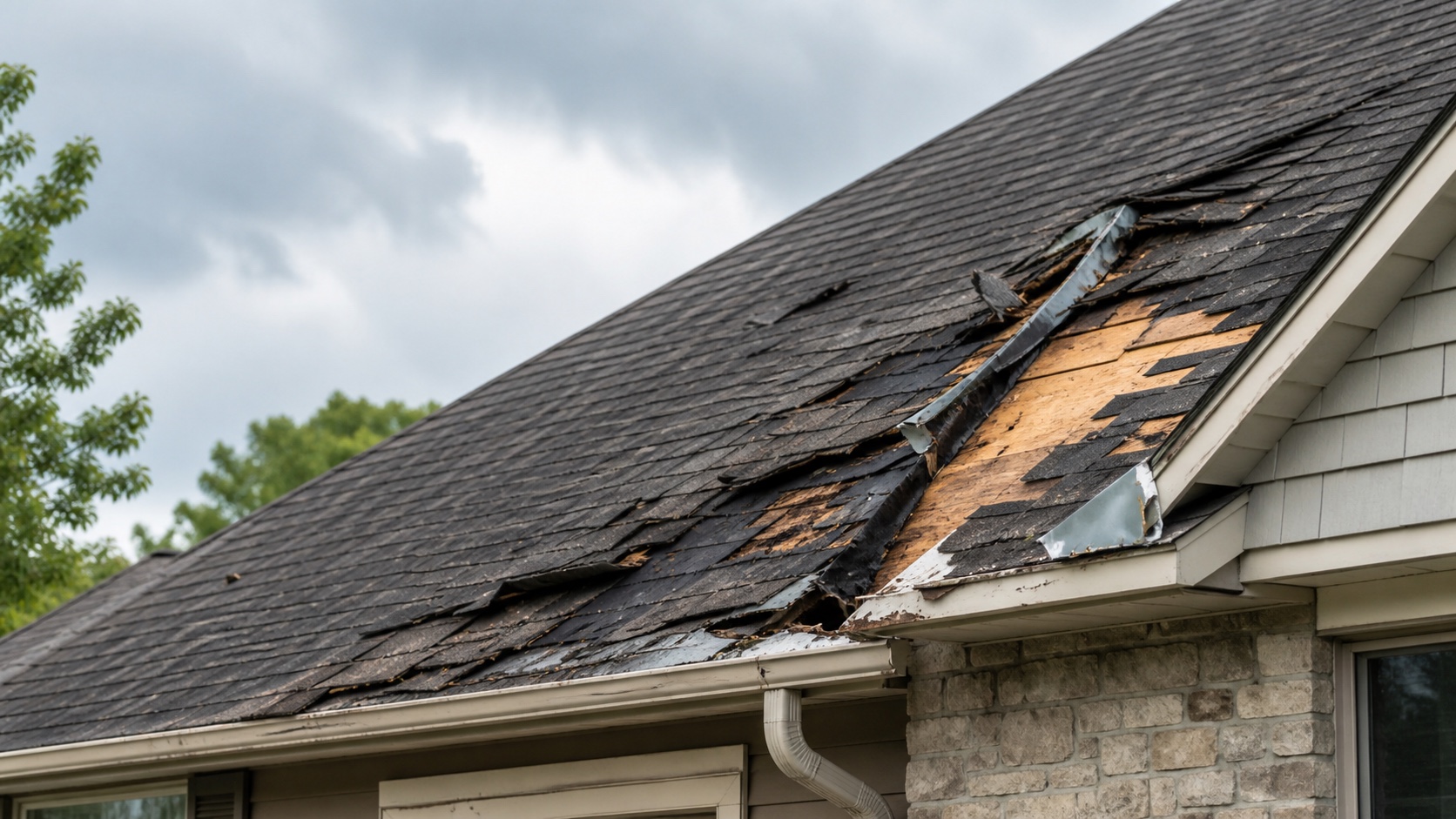 03
03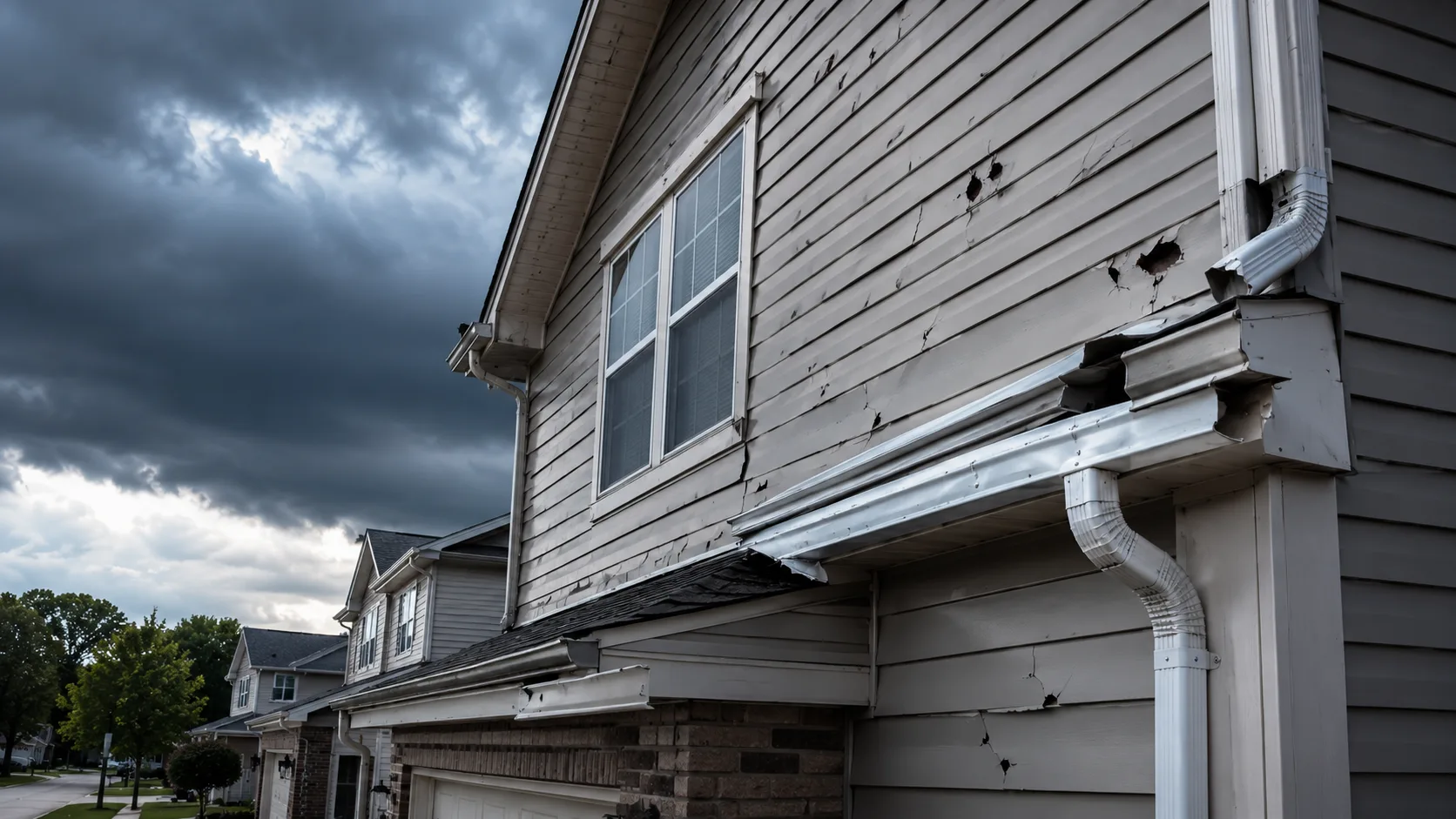
Storm Damage
We review roof, exterior, and visible interior damage after severe wind, hail, rain, or falling debris.
Roof Damage
We inspect and document visible roof damage caused by hail, wind, storms, falling debris, and other reported loss events.
Exterior Siding Claims
We inspect and document visible damage to siding, gutters, fascia, trim, windows, and connected exterior components.