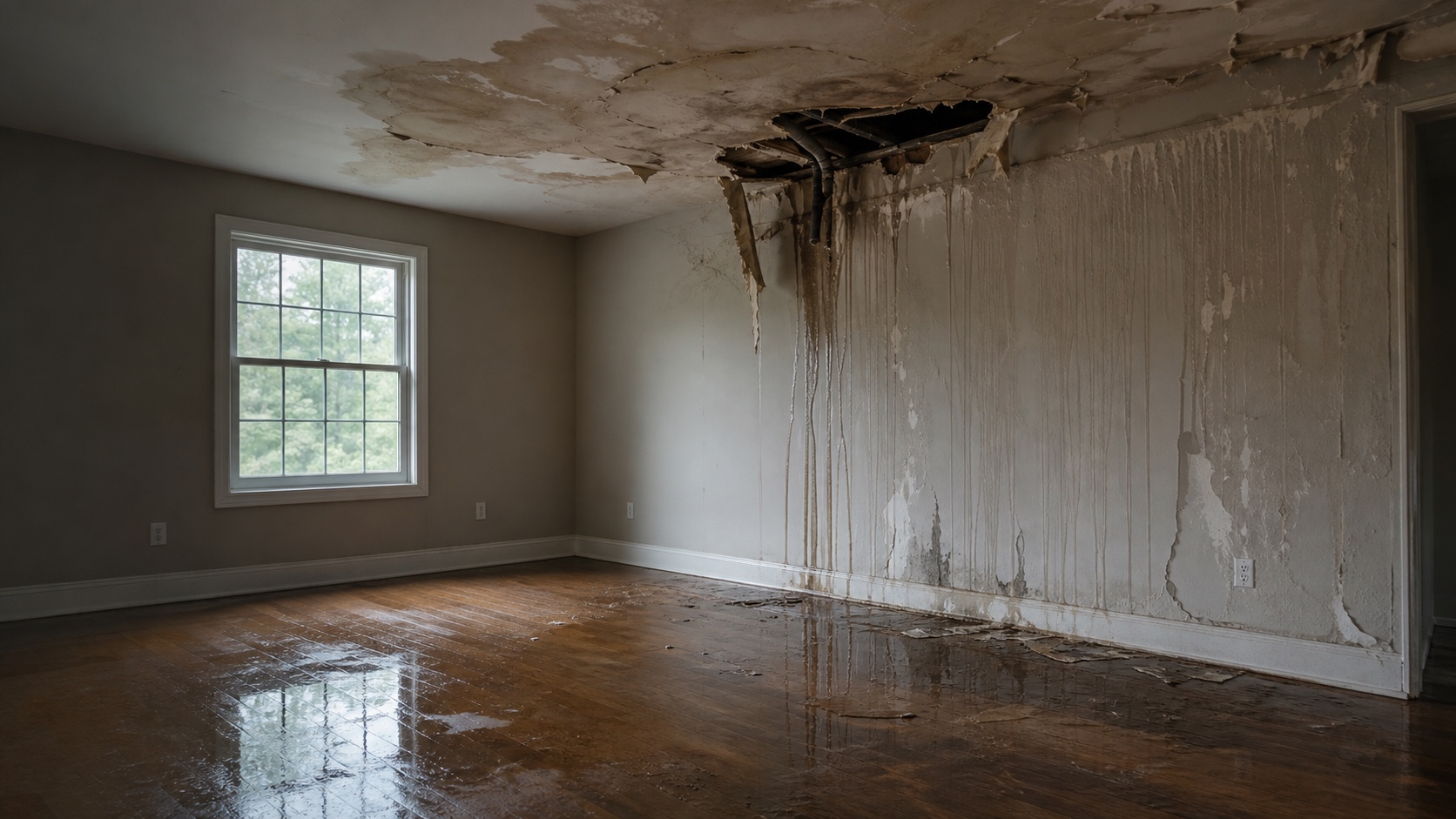
The visible stain is growing, changing color, or appearing in another area.
Source → path → affected materials
Interior property claims
Water damage claims require fast documentation and a clear source.
Claim support for sudden leaks, pipe failures, roof-related water entry, and visible interior damage.
01
Recognize the situation
Water keeps moving after the first stain becomes visible.
Moisture can travel behind walls, through insulation, under flooring, and into adjoining rooms. At the same time, emergency dry-out and repair decisions may need to happen quickly.
Dry-out, demolition, or temporary repairs started before the claim inspection.
The source or cause of water entry is disputed or still uncertain.
Mitigation records, moisture readings, invoices, and repair estimates are not aligned.
Trace the moisture path
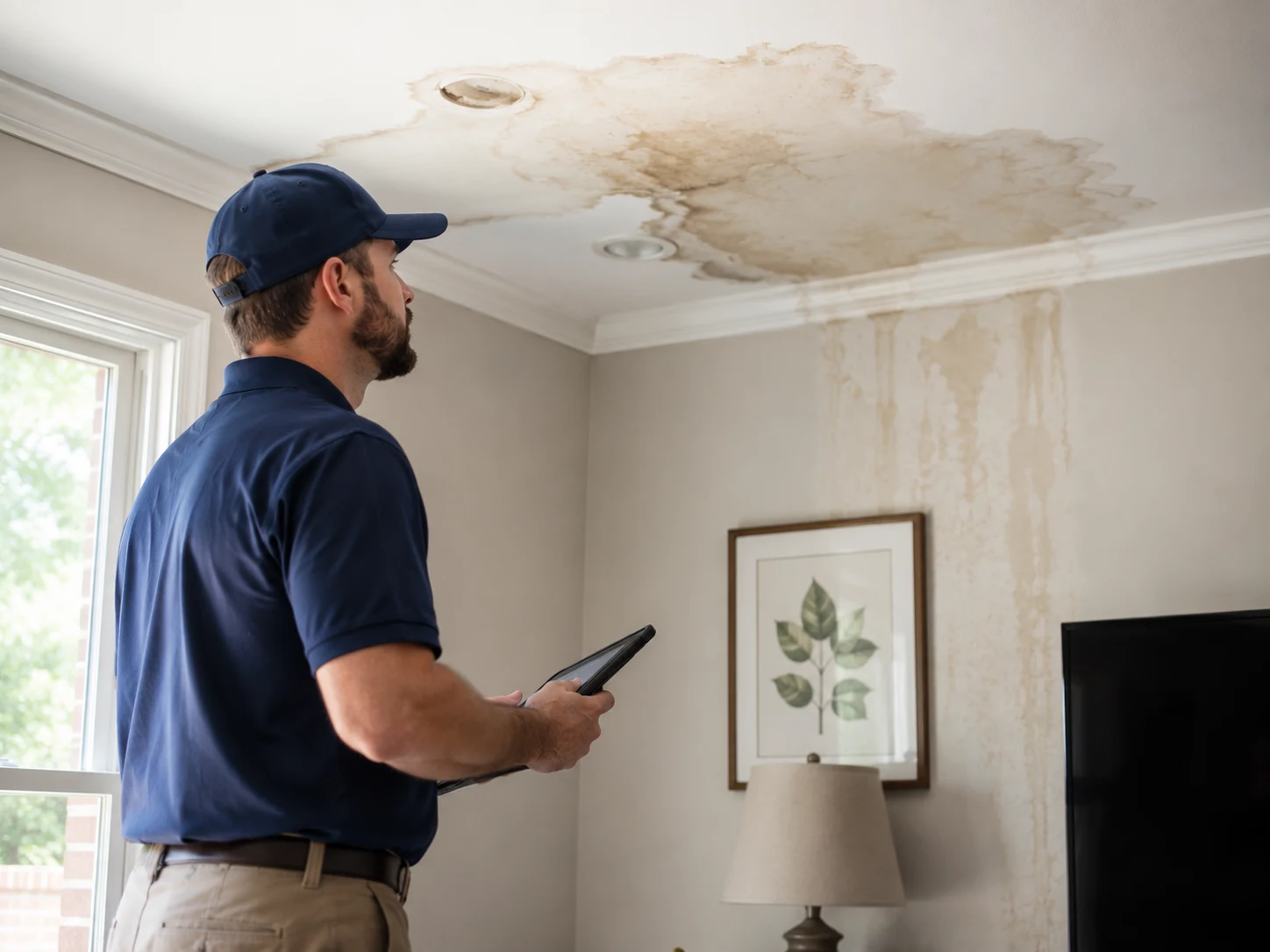
The first stain is a symptom. The path is the story.
Water moves through cavities, insulation, flooring, and adjacent finishes. Source, timing, mitigation, moisture readings, and removed materials all help explain what happened after entry.
Water can move beyond the first visible stain and affect drywall, insulation, flooring, cabinetry, finishes, and contents.
We help organize the observed damage, available mitigation records, photographs, estimates, and claim correspondence.
03
The American Adjusters approach
Document the source, path, affected materials, and response timeline.
American Adjusters helps organize visible damage, mitigation records, emergency expenses, photographs, estimates, and claim communication. Immediate safety and mitigation come first; the claim record should preserve what happened as work proceeds.
Talk Through Your Claim02
What matters in this claim
Document the source, affected areas, and mitigation timeline.
01
Source information
Available details about where and when the water entered.
02
Affected materials
Visible damage to walls, ceilings, floors, and finishes.
03
Mitigation records
Dry-out, emergency service, and temporary repair documents.
04
Repair scope
Damaged areas organized for clearer carrier review.
What changes for the policyholder
From reacting to the claim to understanding the claim.
Damage-path context
Visible effects are organized by source area, affected rooms, and connected materials.
Mitigation record
Dry-out documents, temporary repairs, receipts, and service reports are brought together.
Clearer repair scope
Damaged finishes and accessible affected areas can be compared with the available estimate.
Your next four moves
A process you can see from the start.
No mystery handoffs. Each stage has a purpose, an output, and a clear connection to the stage that follows.
- 01
Listen and review
We learn what happened, where the claim stands, and which questions matter most to you.
- 02
Inspect and organize
Accessible property conditions and available claim records are brought into one structured picture.
- 03
Present and communicate
The documented loss is explained consistently through the appropriate claim communication.
- 04
Track the next steps
Open items, responses, and important decisions remain easier for the policyholder to follow.
04
Make the claim feel manageable again
Tell us where the water started and what happened next.
Share the source if known, affected rooms, mitigation work, and claim status. We will contact you about reviewing the available information.
No-cost initial reviewNo obligation to hire usYour request reaches the claim review team
01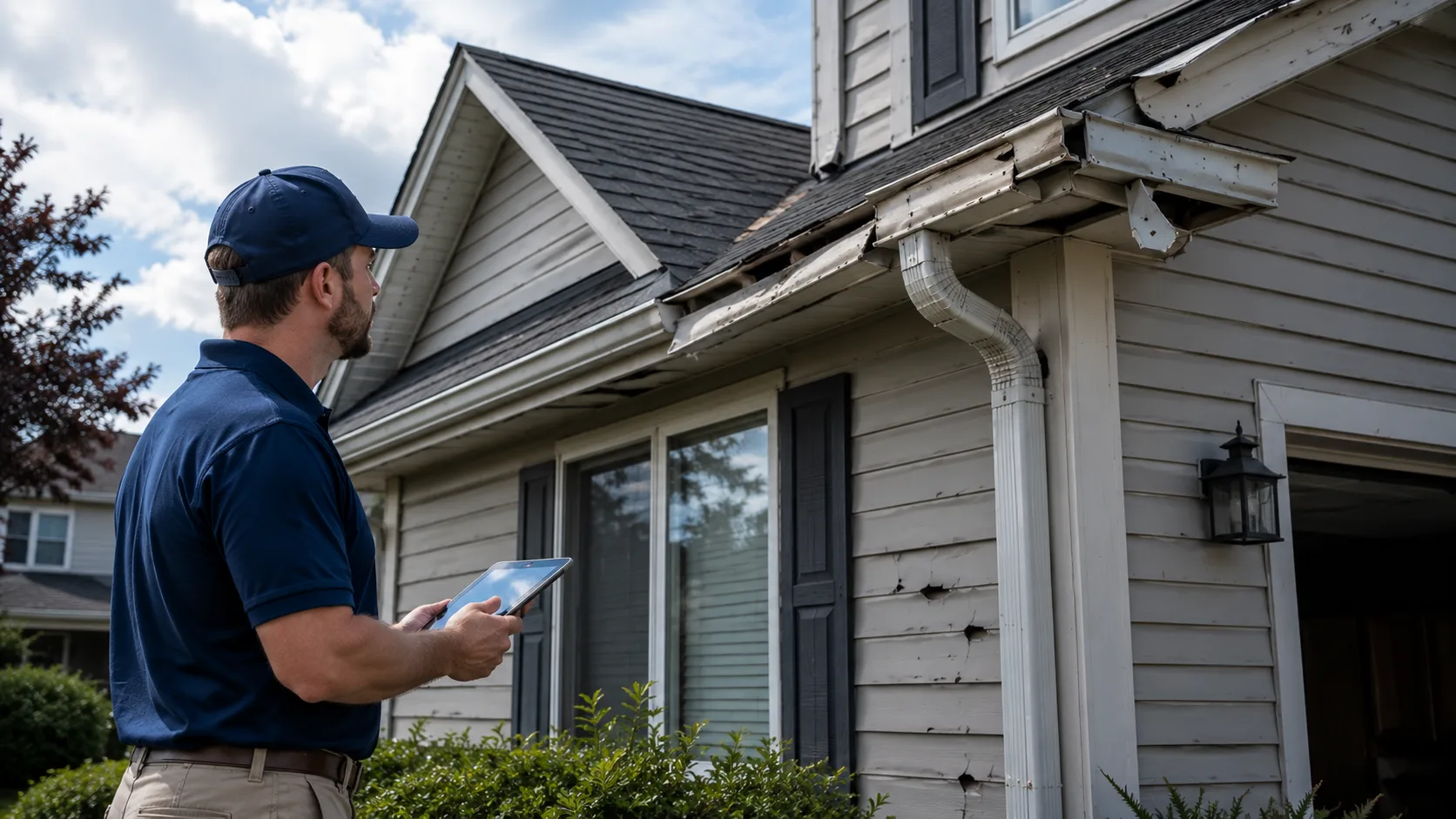 02
02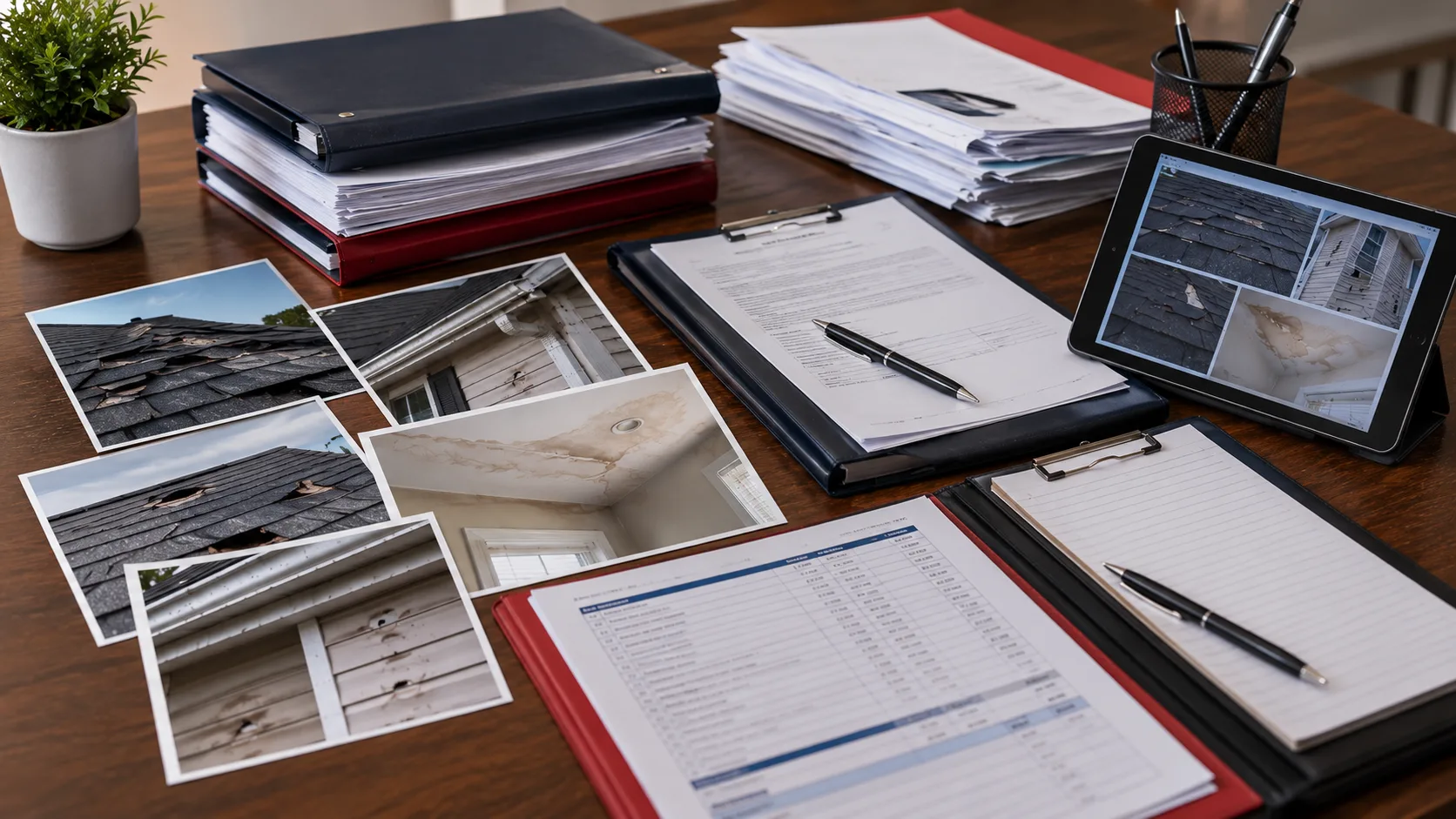 03
03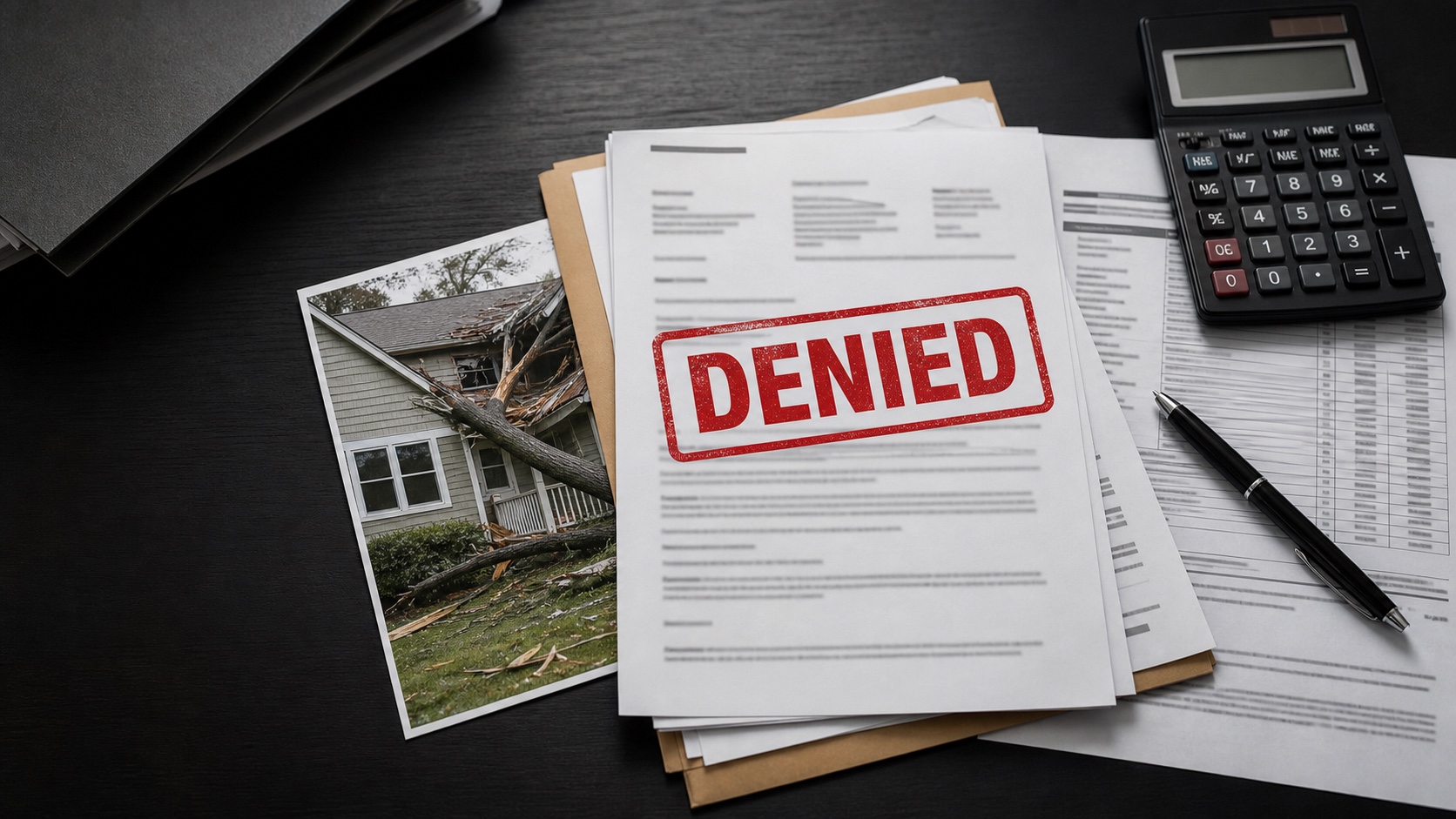
Property Damage Inspections
Our inspections help identify roof, exterior, interior, and commercial property damage connected with a reported loss.
Claim Documentation
We help organize photos, measurements, estimates, correspondence, and supporting details around the reported property loss.
Denied or Underpaid Claims
We examine the available claim documents, damage information, estimates, and carrier position to identify open questions.