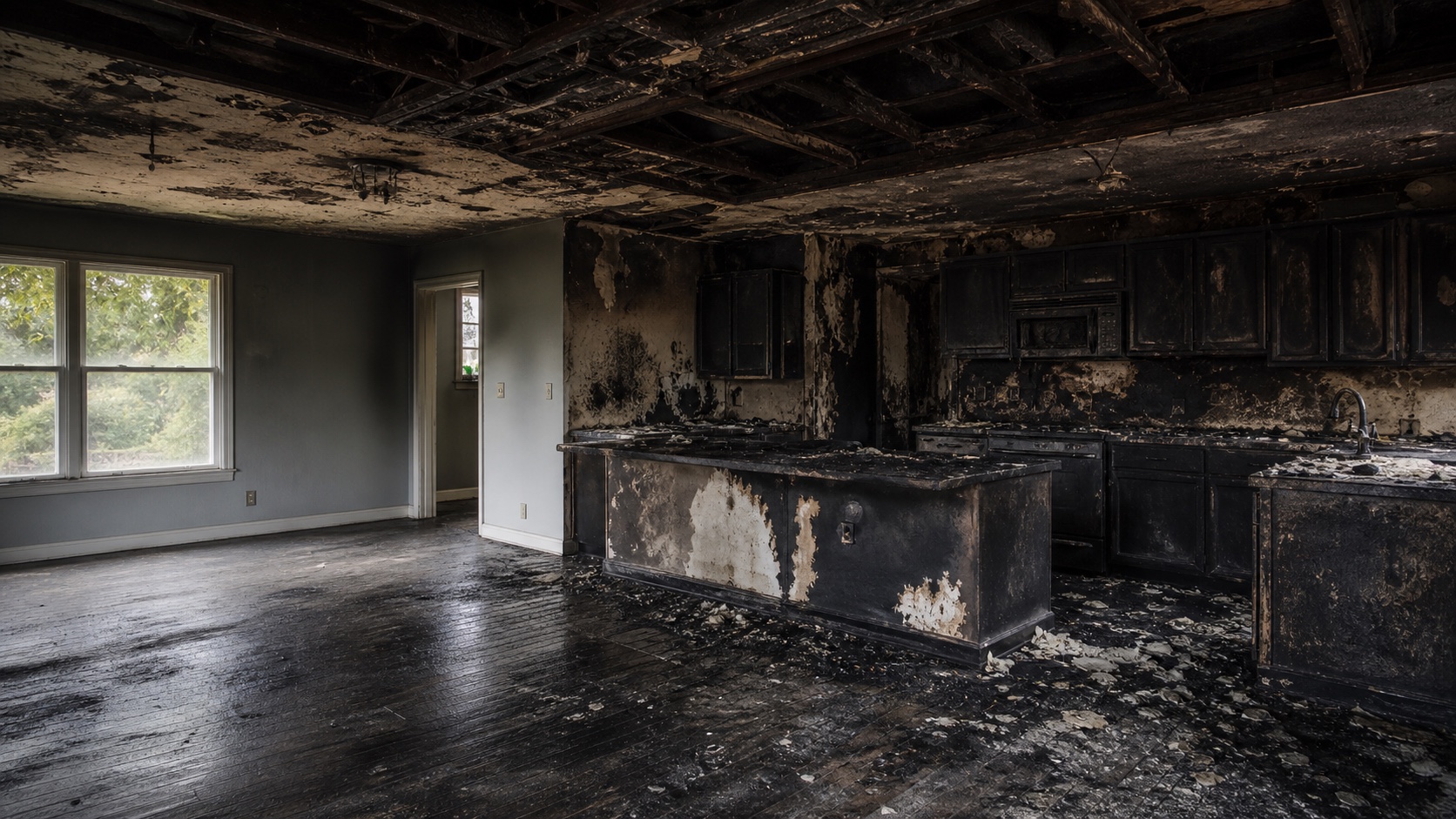
Smoke odor or residue is present in rooms beyond the burned area.
Document the full recovery zone
Fire loss claim support
Fire and smoke damage can extend far beyond the burn area.
We help organize visible fire, smoke, soot, water, and related property damage into a clearer claim record.
DirectHeat and burn damage
MigratedSmoke, soot, odor
RelatedWater and emergency access
Start your review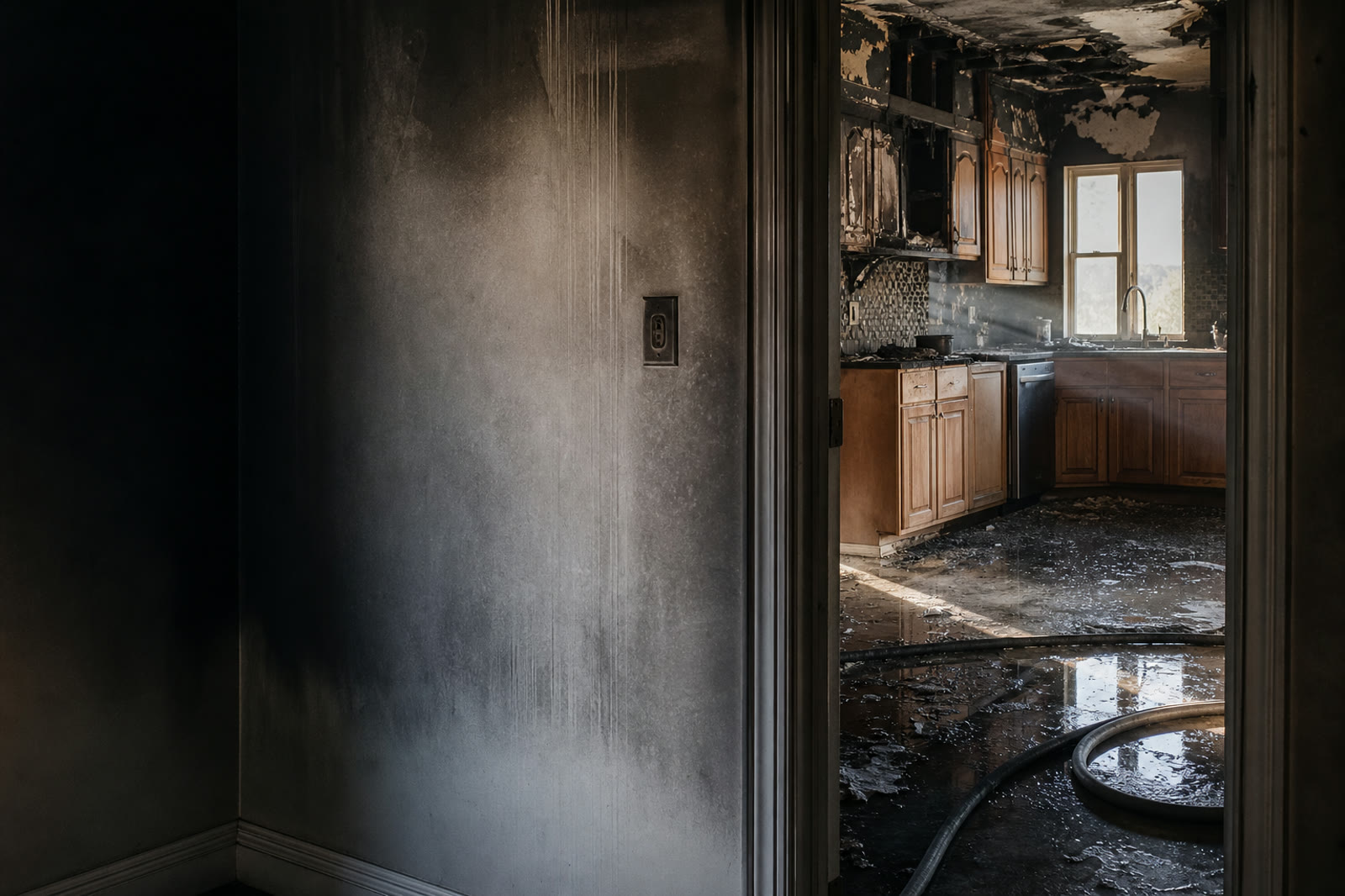
Beyond the burn area
Smoke, soot, heat, and water travel farther than the flames.
A fire loss has layers: direct damage, residues, odors, emergency access, suppression water, damaged contents, and disrupted rooms. Recovery starts by seeing those layers as one event.
Fire events may involve structural damage, smoke migration, soot, odors, firefighting water, emergency access, and contents throughout the property.
Our team coordinates available documentation and helps the policyholder understand the claim information being requested.
01
Recognize the situation
The visible burn area may be only one part of a fire loss.
Smoke, soot, odors, heat, firefighting water, emergency access, and contents can affect rooms and systems far from the point of origin. The volume of decisions can feel overwhelming.
Water or demolition from emergency response created additional damage.
Contents, finishes, structure, and building systems are being reviewed separately.
You are receiving requests for inventories, estimates, or records while displaced or disrupted.
03
The American Adjusters approach
Organize the connected fire, smoke, water, and property impacts.
We help bring available photographs, reports, inventories, estimates, and carrier communication into a coordinated claim record. The process gives the policyholder a clearer way to track the property questions that remain open.
Talk Through Your ClaimWhat changes for the policyholder
From reacting to the claim to understanding the claim.
Connected loss review
Direct fire, smoke migration, soot, odor, and suppression-water effects are considered together.
Property and contents context
Available structure, finish, system, and contents information is organized by affected area.
Manageable next steps
Records and carrier requests are structured so owners can focus on the next important decision.
02
What matters in this claim
A complete fire loss review considers connected damage.
01
Direct fire damage
Visible burn and heat effects in affected areas.
02
Smoke and soot
Residue and migration into connected rooms or systems.
03
Water-related damage
Visible effects from suppression or emergency response.
04
Property records
Available photos, estimates, inventories, and reports.
Your next four moves
A process you can see from the start.
No mystery handoffs. Each stage has a purpose, an output, and a clear connection to the stage that follows.
- 01
Listen and review
We learn what happened, where the claim stands, and which questions matter most to you.
- 02
Inspect and organize
Accessible property conditions and available claim records are brought into one structured picture.
- 03
Present and communicate
The documented loss is explained consistently through the appropriate claim communication.
- 04
Track the next steps
Open items, responses, and important decisions remain easier for the policyholder to follow.
04
Make the claim feel manageable again
You do not have to organize a fire claim alone.
Tell us when the event occurred, which areas are affected, and where the claim stands. We will contact you to discuss the initial review.
No-cost initial reviewNo obligation to hire usYour request reaches the claim review team
01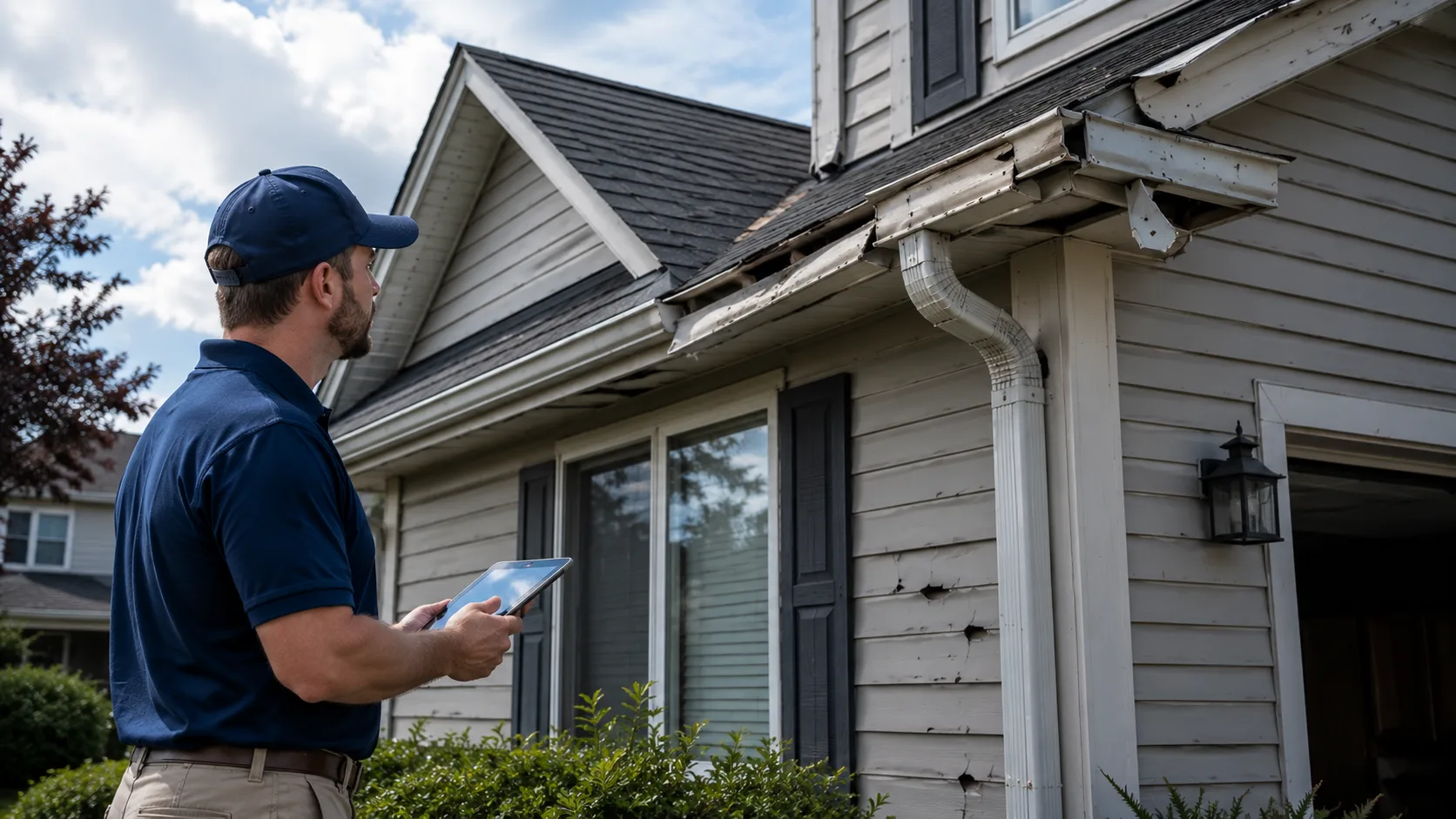 02
02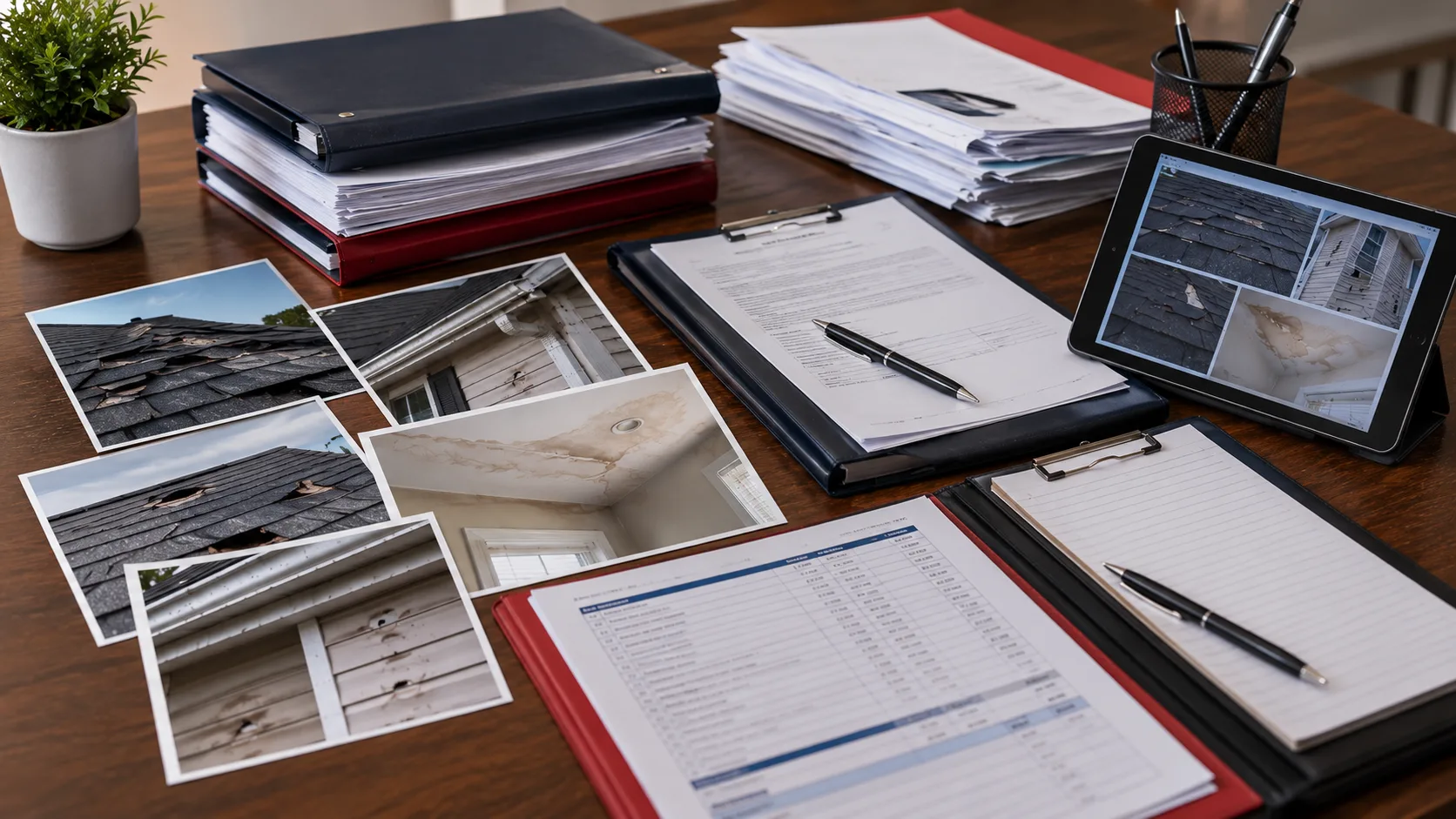 03
03
Property Damage Inspections
Our inspections help identify roof, exterior, interior, and commercial property damage connected with a reported loss.
Claim Documentation
We help organize photos, measurements, estimates, correspondence, and supporting details around the reported property loss.
Claim Negotiation
American Adjusters communicates with the insurance carrier on behalf of the policyholder throughout the claim review.