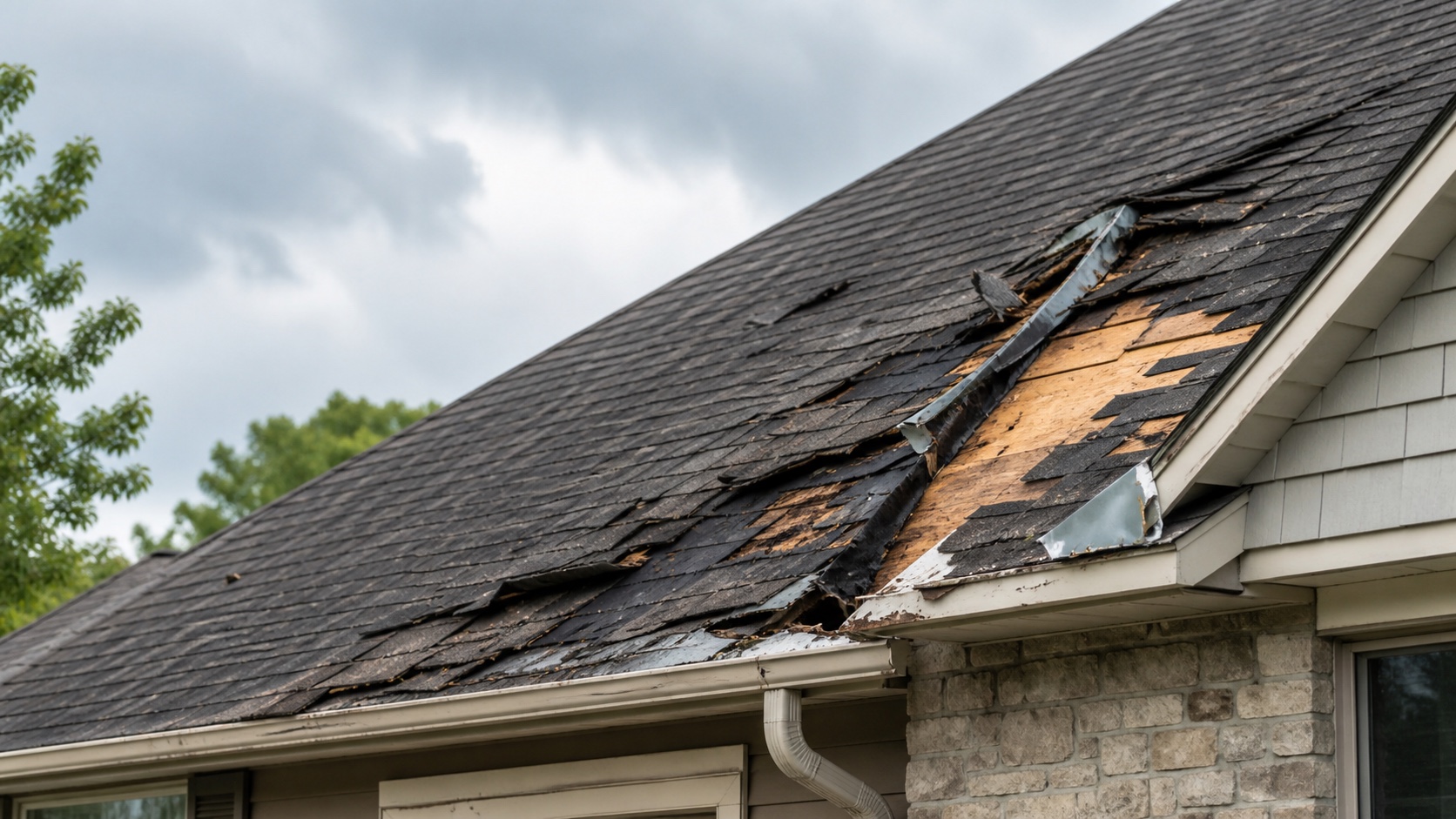
Shingles are missing, lifted, creased, bruised, or visibly displaced.
Roof system review
Residential roof claims
Roof damage claim support for Illinois homeowners.
We inspect and document visible roof damage caused by hail, wind, storms, falling debris, and other reported loss events.
TraceSurface to roof edge
ConnectExterior to interior
CompareObserved scope to estimate
Start your review
Above the obvious
A roof is a layered system, not one damaged shingle.
Coverings, edges, penetrations, flashing, ventilation, gutters, and the rooms below can all tell part of the same loss. The claim should make those connections visible.
Roof losses may involve shingles or membranes as well as flashing, vents, gutters, fascia, siding, and interior water damage.
American Adjusters reviews the property and available claim information to help create a more complete picture of the reported loss.
01
Recognize the situation
The leak or missing shingle may be only the first visible sign.
Roof damage can involve coverings, flashing, vents, edge metals, gutters, and the rooms below. Looking only at the obvious spot may leave connected conditions outside the claim picture.
Water staining appeared on ceilings or walls after the reported event.
The carrier estimate addresses a small repair but not connected roof components.
Contractors disagree about whether repair or broader replacement is practical.
02
What matters in this claim
A roof claim should reflect more than the most obvious damage.
01
Surface damage
Shingles, membranes, coatings, and roof coverings.
02
Roof accessories
Flashing, vents, caps, skylights, and penetrations.
03
Exterior connections
Gutters, fascia, siding, and nearby components.
04
Interior indicators
Visible staining or water entry associated with the event.
03
The American Adjusters approach
Review the roof as a system and connect it to the rest of the property.
American Adjusters inspects accessible roof surfaces and related exterior and interior indicators, then organizes the observations with measurements, photos, estimates, and the existing carrier scope.
Talk Through Your ClaimWhat changes for the policyholder
From reacting to the claim to understanding the claim.
System-level review
Roof coverings, penetrations, flashing, edges, and related components are considered together.
Connected damage record
Exterior conditions and visible interior water indicators are tied to the reported event.
Clearer scope comparison
The documented property conditions can be compared with the available carrier estimate.
Your next four moves
A process you can see from the start.
No mystery handoffs. Each stage has a purpose, an output, and a clear connection to the stage that follows.
- 01
Listen and review
We learn what happened, where the claim stands, and which questions matter most to you.
- 02
Inspect and organize
Accessible property conditions and available claim records are brought into one structured picture.
- 03
Present and communicate
The documented loss is explained consistently through the appropriate claim communication.
- 04
Track the next steps
Open items, responses, and important decisions remain easier for the policyholder to follow.
04
Make the claim feel manageable again
Get a clearer view of your roof damage claim.
Tell us when the damage occurred, what you can see, and whether the carrier has already inspected. We will contact you to discuss the claim.
No-cost initial reviewNo obligation to hire usYour request reaches the claim review team
01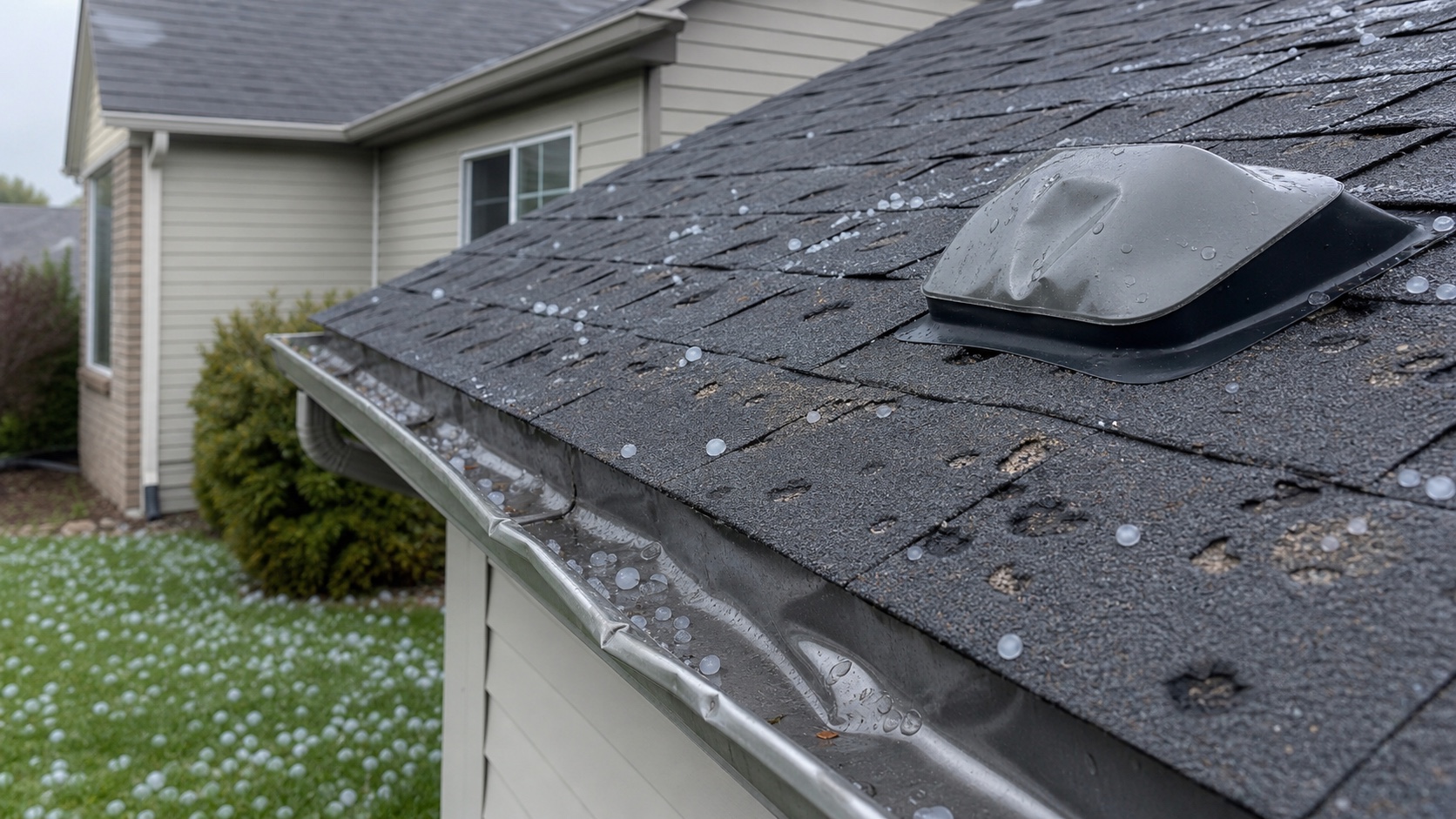 02
02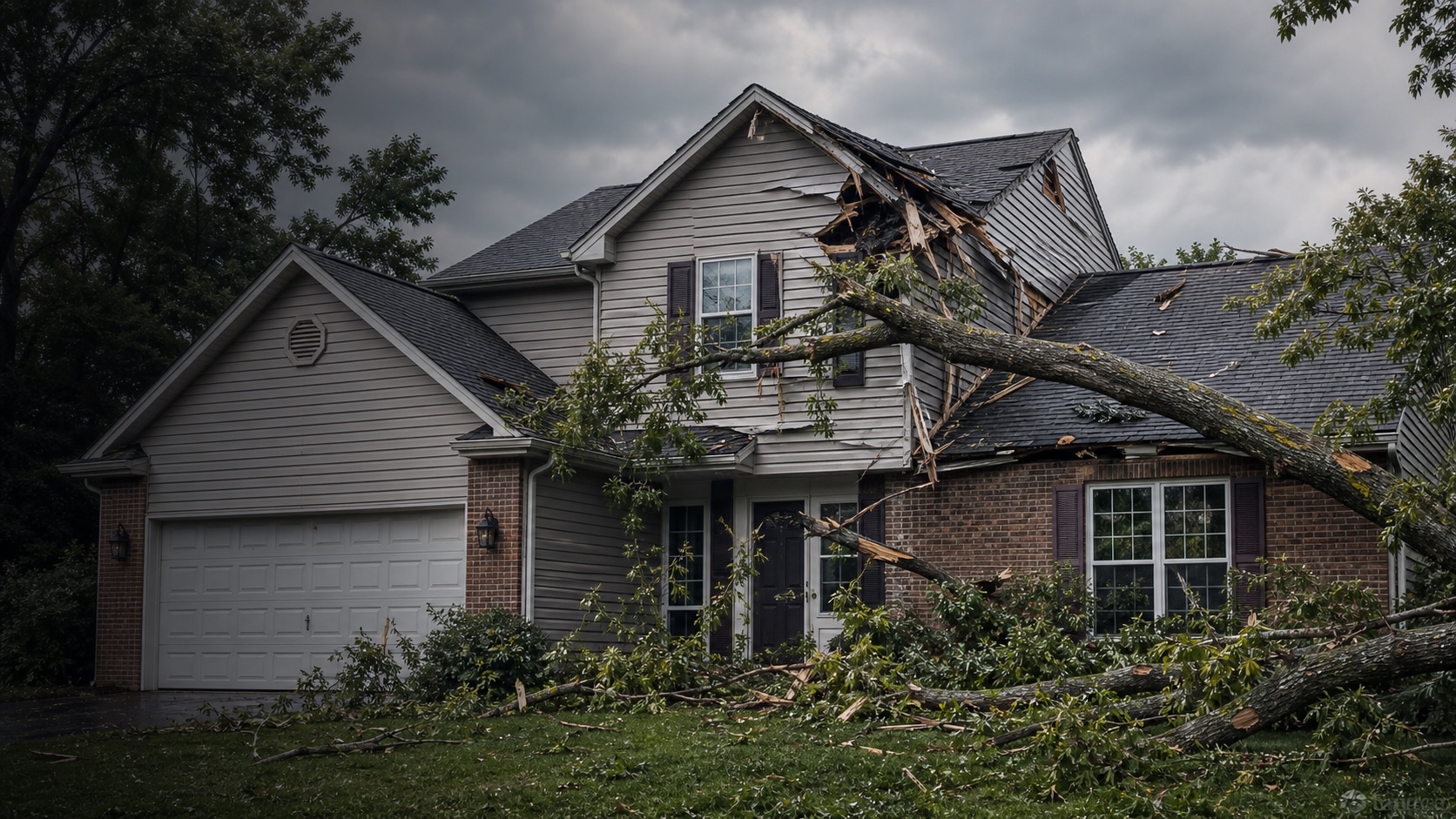 03
03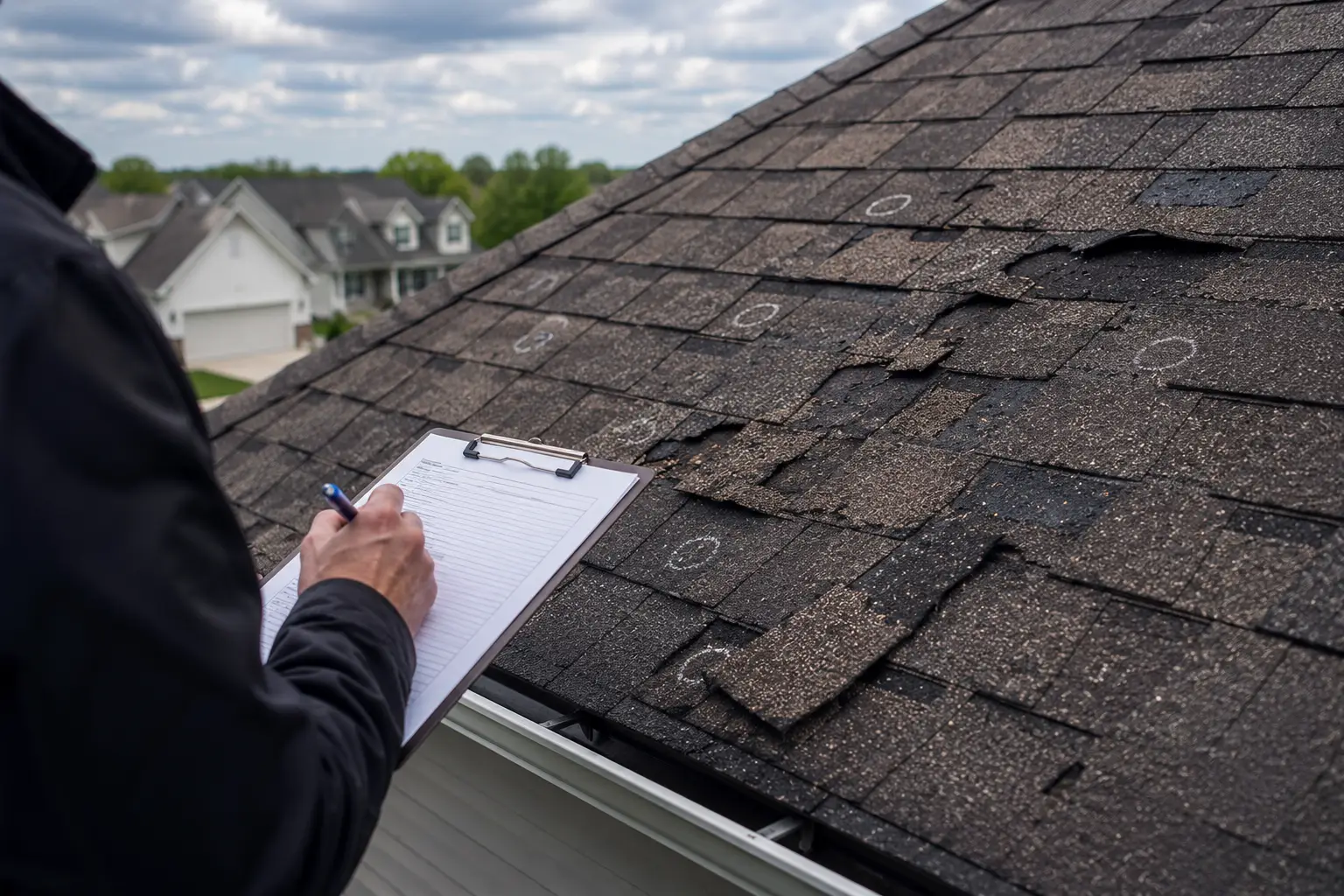
Hail Damage
We review roofing, siding, gutters, vents, metal surfaces, and other exterior components after a reported hail event.
Storm Damage
We review roof, exterior, and visible interior damage after severe wind, hail, rain, or falling debris.
Residential Roofing Claims
Claim support for Illinois homeowners dealing with storm, hail, wind, leak, and related roof damage.