

Key takeaways
What homeowners should know
- Maximizing a claim means pursuing the full amount supported by the policy and evidence.
- A complete repair scope is more important than arguing only about the bottom-line total.
- Photographs, measurements, material details, invoices, and written communication should tell one consistent story.
- Review depreciation, deductibles, supplements, and payment conditions before closing the file.
A fair settlement starts with an accurate claim—not an inflated one
To maximize a home insurance claim settlement is to pursue the complete amount supported by the policy, observed damage, and reasonable repair cost. It does not mean exaggerating damage, replacing unrelated components, or manipulating estimates. Unsupported demands can weaken credibility and delay resolution.
The most effective approach is systematic: identify every damaged area, document why each repair is necessary, price the work accurately, and communicate differences clearly. The settlement follows the quality of the claim record.
Document the loss before conditions change
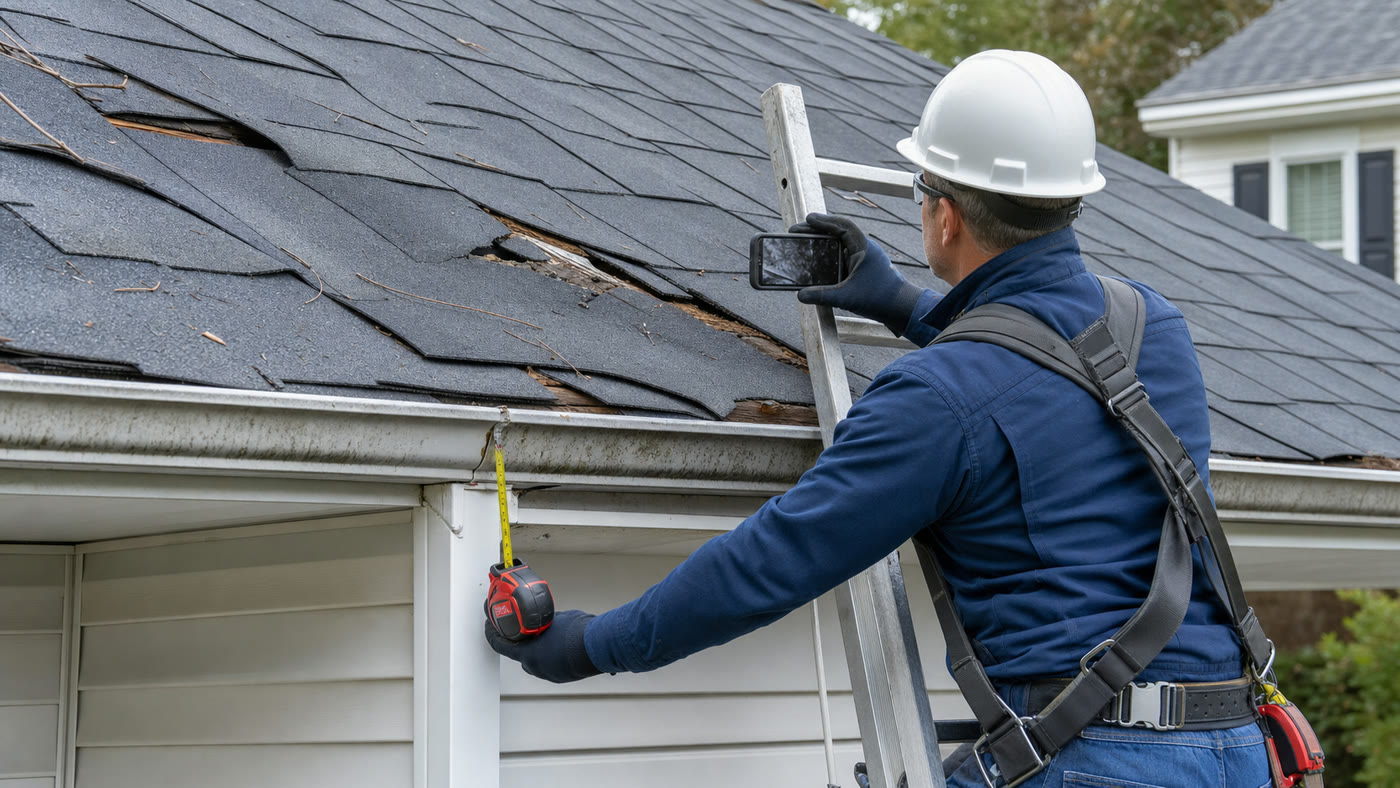
Photograph the source, path, and result of the damage. For a roof loss, that may include shingles, flashing, vents, gutters, siding, attic conditions, and interior staining. For water damage, document affected finishes, contents, moisture readings, demolition, and drying activity.
Use wide images for location, medium images for context, and close images for detail. Record dates and preserve original files. If emergency work is needed, create before-and-after evidence and keep removed materials when practical and safe.
Build the repair scope before debating price
A claim estimate is a list of repair operations, quantities, materials, labor assumptions, and prices. If a damaged room, roof slope, layer, access requirement, or code-related operation is missing, increasing a unit price alone will not create a complete settlement.
Review the carrier estimate line by line against the building. Confirm dimensions, material type and quality, detach-and-reset items, protection, debris removal, permits, taxes, contractor overhead considerations, and the sequence needed to perform the repair correctly.
Use qualified estimates and reports strategically
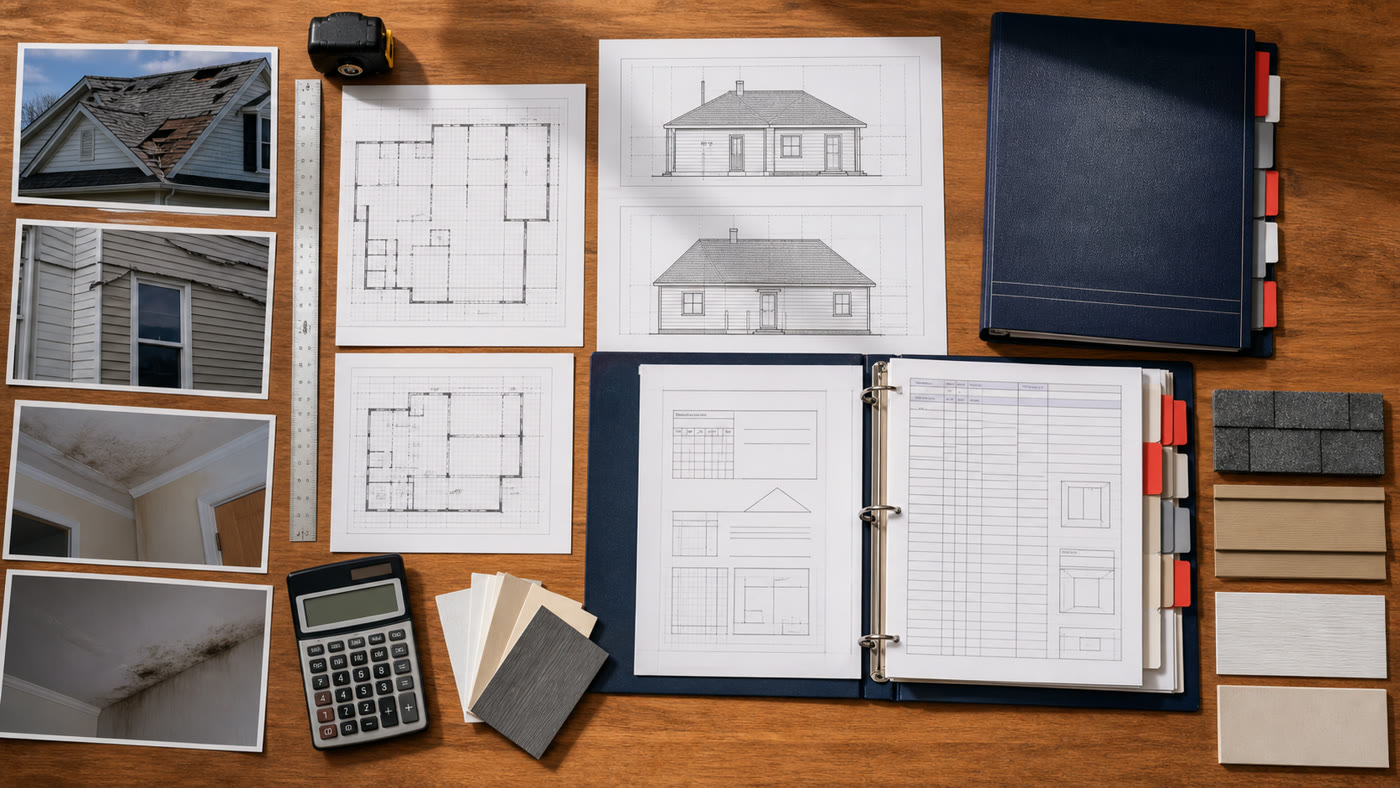
A contractor estimate is most helpful when it explains the actual work, quantities, materials, and site conditions—not when it provides only a lump-sum total. Specialist reports can be useful when they address a genuine technical question, such as moisture migration, structural movement, electrical damage, or repairability.
Submit relevant documents with a short explanation of what each item proves. More pages do not automatically create a stronger claim; clear evidence tied to a disputed issue does.
Understand replacement cost, actual cash value, and depreciation
Many property claims involve an initial actual-cash-value payment that reflects depreciation, followed by recoverable depreciation after qualifying repairs and documentation. Policy language and state rules control how these calculations work.
Review the estimate summary, deductible, depreciation by item, prior payments, and any deadlines or conditions for recovering withheld amounts. Ask for clarification in writing when the payment calculation is not transparent.
Communicate in writing and answer requests completely
Confirm important conversations by email or through the carrier's claim portal. Keep messages concise: identify the disputed item, explain the supporting fact, attach the relevant evidence, and ask for a written response.
Track requests from both sides and follow up by date. Consistent, professional communication makes it easier to see whether an issue is awaiting documentation, inspection, supervisory review, or a formal coverage decision.
Do not close the claim before reviewing supplements
Additional damage or necessary operations may become visible after repairs begin. Contractors commonly identify concealed layers, matching issues, code requirements, or quantities that differ from the initial estimate. Report new information promptly and follow the policy's supplement process.
Before signing a release or accepting a final settlement, understand whether it closes all or part of the claim. If you are unsure about legal effect, consult a qualified attorney.
Bring in help before the record becomes harder to reconstruct
A public adjuster may help when the scope is complex, several estimates conflict, documentation is incomplete, or the carrier's payment does not appear to reflect the observed loss. Early organization can be more efficient than reconstructing months of scattered communication.
A professional review cannot guarantee a larger payment. It can help identify supported omissions, prepare a coherent claim package, and keep negotiations focused on specific evidence and policy provisions.
This article provides general information and is not legal advice, coverage advice, or a guarantee of any claim outcome. Policy language and loss facts control each claim.