Key takeaways
What homeowners should know
- A denial should identify the policy language and facts supporting the decision.
- Timing, cause of loss, maintenance, exclusions, and documentation are frequent areas of dispute.
- Compare the denial with the complete property evidence—not only the carrier's summary.
- A professional review can identify missing facts without promising that coverage exists.
A denial is a conclusion—not the entire claim file
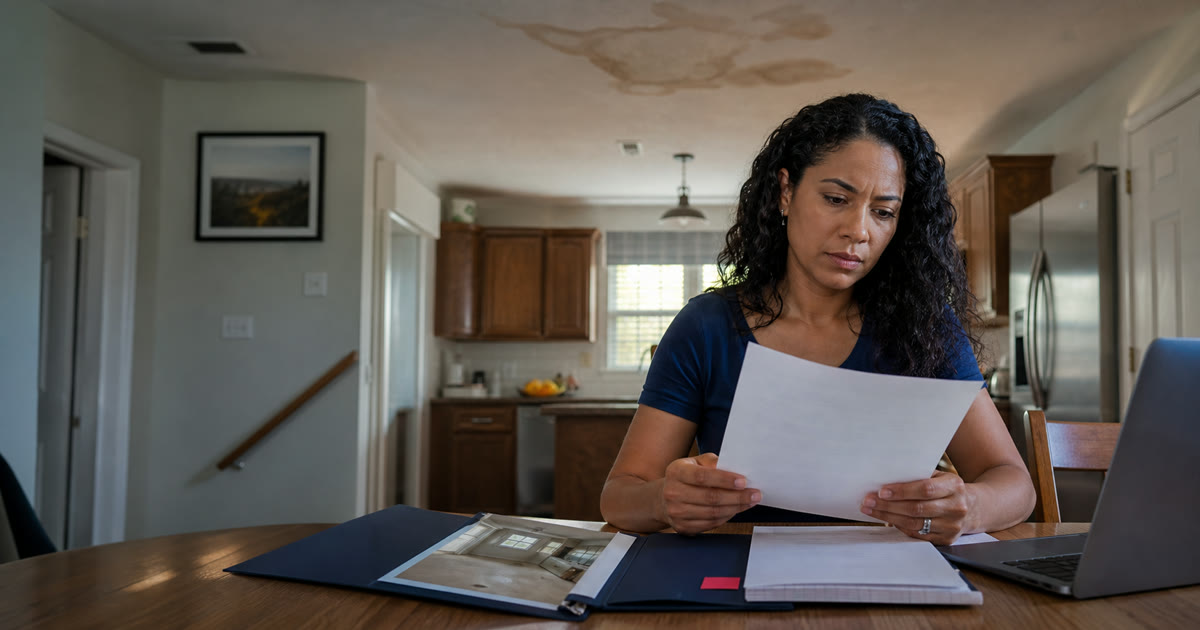
Receiving a denial letter can make it feel as though the process is over. In reality, the letter is the carrier's written conclusion based on the information reviewed, the policy language applied, and the cause of loss it accepted. Understanding those three elements is the first step toward deciding what to do next.
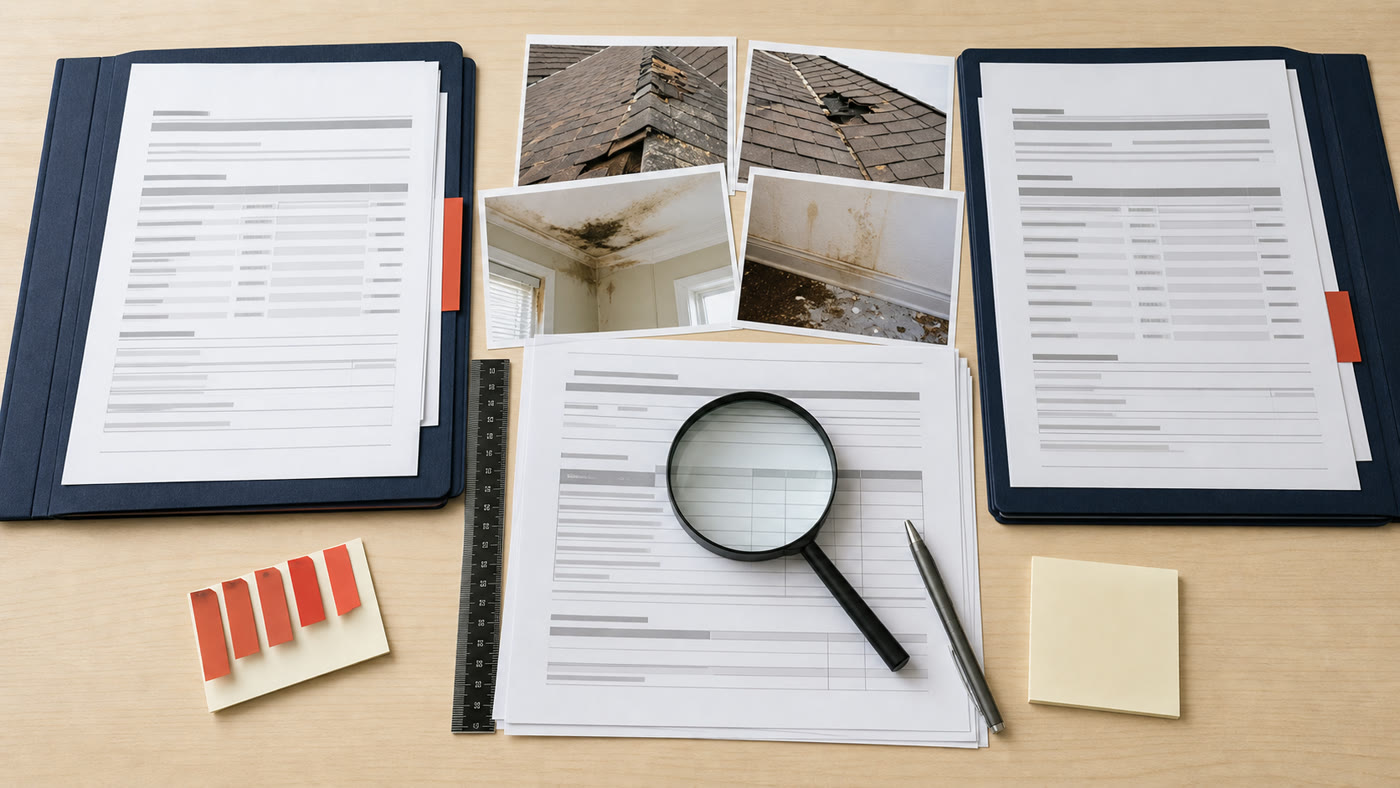
Read the entire letter, including referenced exclusions, endorsements, dates, and appeal or reconsideration instructions. Then compare the explanation with your photographs, inspection findings, maintenance records, and timeline. The goal is not to argue with every sentence; it is to determine whether the decision considered the complete facts.
1. The carrier believes the damage is excluded
Home insurance policies cover specific risks and exclude others. A carrier may attribute a loss to wear and tear, deterioration, faulty workmanship, earth movement, flooding, repeated seepage, or another excluded cause. The exact wording and endorsements matter, so a one-line description of the exclusion is not enough.
Ask which observed conditions led to that conclusion and whether more than one cause may have contributed. For example, older materials can exist before a storm, while a sudden event may still create new, distinguishable damage. The evidence must separate pre-existing conditions from the reported loss.
2. The reported cause does not match the observed damage
A claim reported as storm damage may be denied if the inspection attributes the condition to age, installation, mechanical damage, or long-term leakage. Cause-of-loss disagreements are common when photographs are limited, the inspection occurs long after the event, or only one building component is considered.
A useful review connects weather information, the timeline, exterior and interior conditions, material behavior, and any qualified inspection findings. Conclusions should follow the evidence rather than rely on a single photograph or assumption.
3. The damage falls below the deductible
Sometimes a letter describes a claim as closed without payment because the carrier's covered repair estimate is less than the deductible. That is different from a finding that no covered damage exists. Review the estimate for missing areas, measurements, repair operations, and related damage before assuming the calculation is complete.
The deductible is applied according to the policy; it is not a reason to omit covered work from the scope. If the actual covered repair cost is higher than the carrier's estimate, additional documentation may change the calculation.
4. Notice was late or a deadline was missed
Policies require timely notice and cooperation, and Illinois policies may contain time-sensitive provisions or suit limitations. A carrier may argue that delay prevented it from verifying the loss. The specific dates, reason for the delay, and whether evidence remained available can become important.
Create a precise timeline showing when the event occurred, when damage was discovered, when mitigation began, and when the carrier was notified. Do not alter dates or fill gaps with guesses. If a legal deadline may be involved, speak with a qualified attorney promptly.
5. The file lacks documentation requested by the carrier
A claim can stall or be denied when requested inventories, receipts, repair estimates, proof of ownership, mitigation records, or access are not provided. Sometimes the request was unclear, sent to the wrong address, or answered incompletely.
List every request and response by date. Resubmit important records through a trackable channel and ask the carrier to confirm what remains outstanding. An organized response is more useful than sending a large, unexplained folder of documents.
6. The carrier believes the policyholder did not protect the property
Policies commonly require reasonable measures to prevent additional damage. A carrier may question a loss when an opening remained exposed, water continued unchecked, or damaged property was discarded before inspection. Safety always comes first, but mitigation and documentation should proceed together whenever possible.
Preserve before-and-after photographs, emergency invoices, drying logs, and damaged materials when safe. These records help distinguish the original event from later conditions and demonstrate reasonable action.
7. The carrier says there was a misrepresentation or coverage problem
Incorrect application information, inconsistent statements, occupancy questions, vacancy, policy cancellation, or material misrepresentation can create serious coverage issues. Do not speculate or change an earlier answer simply to make it sound better.
Gather the application, declarations, payment history, correspondence, and accurate supporting records. Because these issues can have legal consequences, consider advice from an attorney experienced in insurance matters.
What to do after a property claim denial
Request the complete decision and estimate, identify the exact policy provisions, organize the loss timeline, and compare the carrier's evidence with your own. Obtain qualified inspections or estimates when they address a specific disputed fact. Submit concise, relevant documentation and keep copies of everything.
A licensed public adjuster can review the property damage portion of the file, help identify scope or documentation gaps, and communicate the policyholder's claim position. That review does not guarantee that a denial will be reversed, but it can provide a clearer basis for the next decision.

This article provides general information and is not legal advice, coverage advice, or a guarantee of any claim outcome. Policy language and loss facts control each claim.